Posts Tagged ‘Pet Tips’

Pet Friendly Halloween Decorations in Edmonton: Fun and Safe Ideas for Your Home

Tuesday, October 8th, 2024


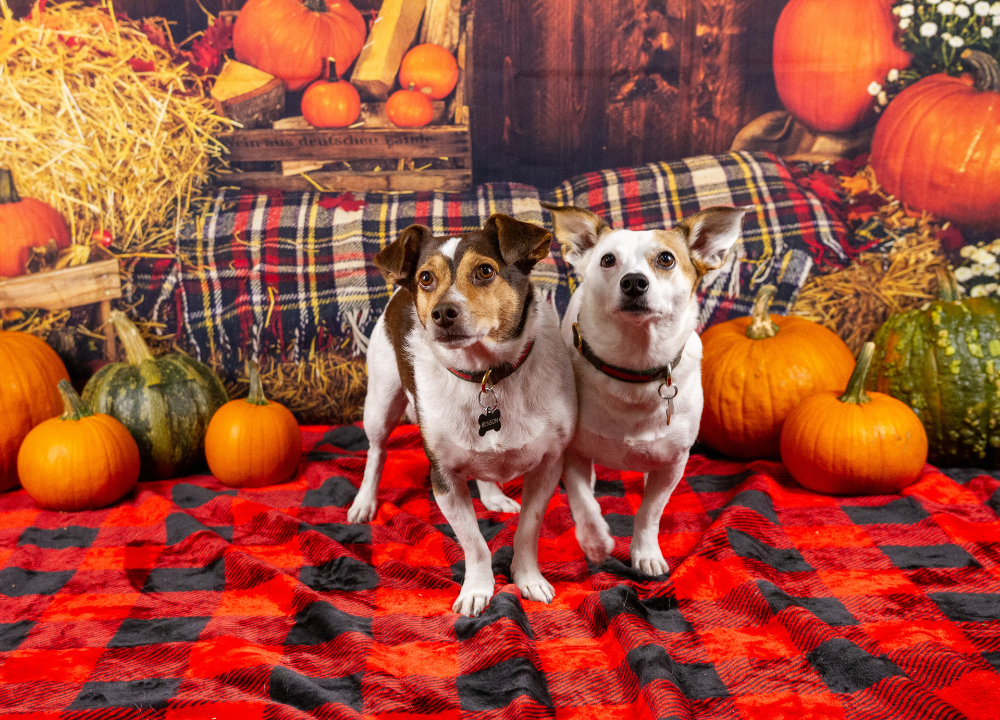
Halloween is an exciting time for families, but for pet owners, it can pose unique challenges. With so many festive decorations available, it’s easy to overlook the potential hazards that could threaten your furry friends’ safety

Pet friendly Halloween decorations in Edmonton include using non-toxic materials, opting for flameless candles, avoiding small or easily chewable items, and setting up pet friendly spaces with festive, but safe, accessories.

Read on for more tips and ideas to ensure your home is ready for a fun and safe Halloween with your furry companions.


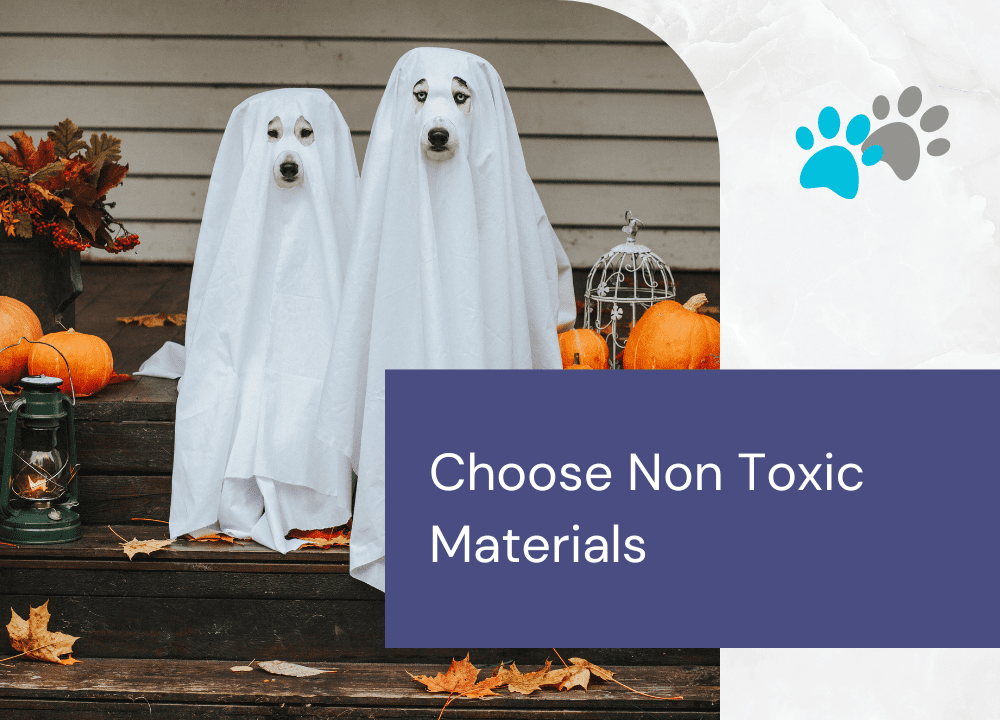
Choose Non Toxic Materials for Safe Halloween Decor

The first step in creating pet friendly Halloween decorations is choosing non-toxic materials. Traditional decor, like plastic pumpkins or artificial plants, can be harmful if chewed or ingested by pets. Instead, opt for these safer alternatives:

  • Natural Pumpkins and Gourds: Pet-safe, biodegradable, and eco-friendly.
  • Organic Materials: Cornstalks, hay bales, and dried leaves offer a festive, pet-safe vibe.
  • DIY Crafts with Pet-Safe Supplies: Use non-toxic dyes, water-based paints, and safe glue.

By choosing these options, you can enjoy a spooky atmosphere while keeping your pets safe.


Lighting the Way: Why Flameless Candles Are a Must

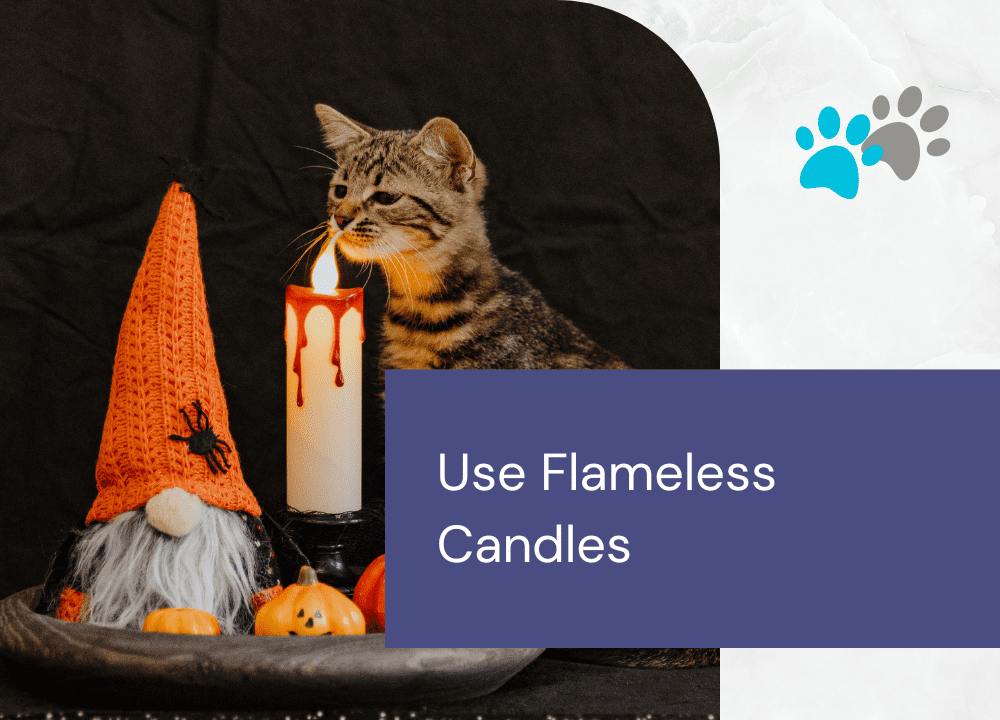
Traditional candles can be dangerous for pets, posing risks of burns or fires. Instead, opt for flameless alternatives in your pet friendly Halloween decorations:

  • Battery-Operated Candles: Provide flickering light without the open flame, ideal for jack-o’-lanterns.
  • LED String Lights: Wrap around pumpkins or door frames, keeping them out of pets’ reach.
  • Pet-Safe Lanterns: Use lanterns with battery-operated candles or LED lights for a safe, spooky effect.

These options ensure a fun yet secure environment for your pets this Halloween in Edmonton.


Pet Friendly Halloween Decorations: Avoid Small or Easily Chewable Items

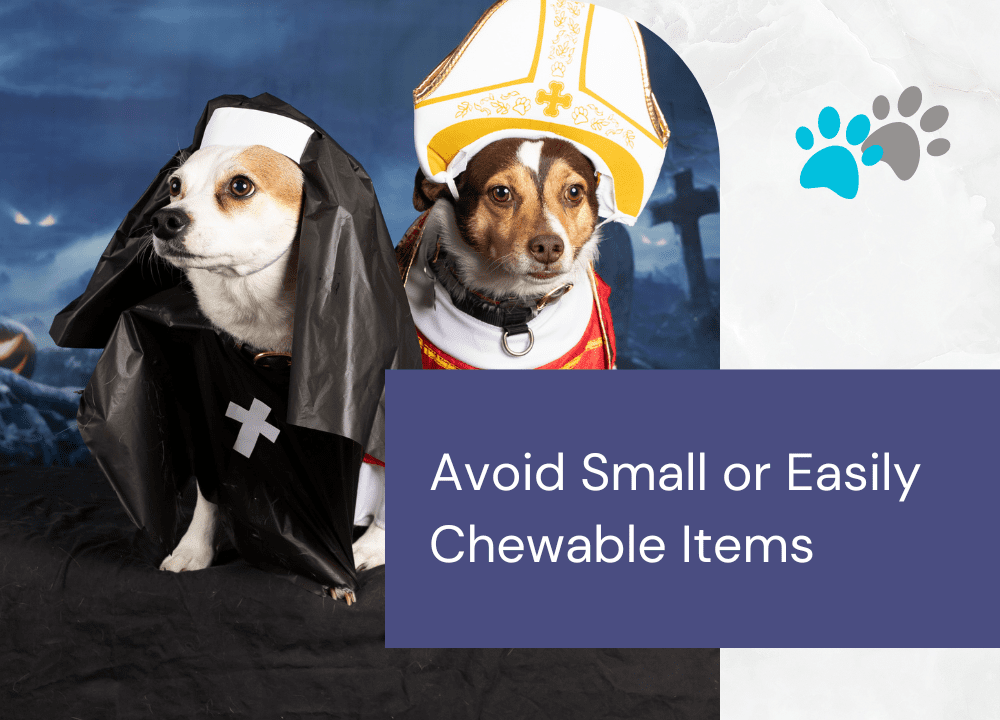
Pets are naturally curious, so it’s important to avoid small, chewable decorations that pose choking risks. Here are some safe alternatives:

  • Skip Tiny Trinkets: Avoid small plastic spiders or fake eyeballs. Choose larger, sturdier decorations.
  • Avoid Edible-Looking Items: Skip fake fruits or candy replicas to prevent pets from mistaking them for food.
  • Choose Plush or Foam Decor: Opt for plush pumpkins, foam ghosts, or rubber bats that are less likely to be chewed.

These simple adjustments ensure a safe, hazard-free Halloween for your pets.


Create a Spooky Yet Secure Pet Friendly Space

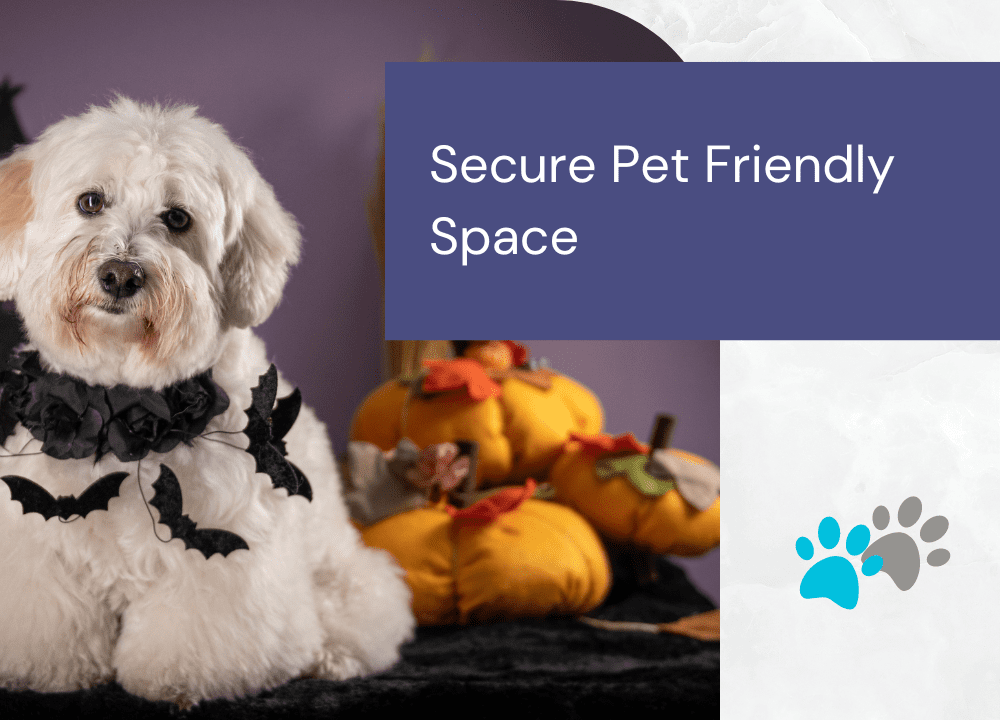
Setting up a dedicated pet friendly Halloween space lets you enjoy the festivities while ensuring your pets stay safe. Here’s how:

  • Themed Pet Beds: Add a Halloween-themed bed or blanket to your pet’s favorite spot for a festive, hazard-free area.
  • Seasonal Toys: Provide non-toxic Halloween-themed toys, avoiding those with small parts that could be swallowed.
  • Outdoor Safety: Use pet-safe fencing and incorporate large items like hay bales or wooden signs to create a secure, spooky outdoor space.

A designated pet-friendly area ensures your pets can enjoy Halloween safely, enhancing the ambiance of pet friendly Halloween decorations in Edmonton.


A Safe and Spooky Halloween for You and Your Pets

Celebrating Halloween doesn’t mean compromising your pet’s safety. With careful planning and the right pet friendly Halloween decorations, you can create a spooky and fun atmosphere that everyone in the family can enjoy, including your pets. 

At the Dave Ozubko Real Estate Team, we believe in more than just finding homes—we’re passionate about ensuring they’re safe and welcoming for pets. Through our #RealtortotheRescue initiative, a portion of every sale goes towards supporting local pet shelters. When you work with us, you’re not just buying or selling a home; you’re contributing to a community where pets are loved and protected. Let’s create spaces that bring joy and security to both you and your furry companions.


How can I keep my pets calm during Halloween festivities with all the decorations and trick-or-treaters?

To keep pets calm during Halloween, create a quiet space with familiar items and pet friendly Halloween decorations. Add soothing background noise like a TV or music to mask trick-or-treaters’ sounds. Keep pets indoors to prevent anxiety, and offer toys or treats to keep them occupied.

Creating a Pet Friendly Backyard: Essential Tips for a Safe and Fun Outdoor Space

Thursday, August 8th, 2024

Creating a Pet Friendly Backyard: Essential Tips for a Safe and Fun Outdoor Space

Creating a pet-friendly backyard is essential for pet owners who want a safe, enjoyable space for their furry friends. Whether you’re planning a new outdoor area or revamping an existing one, this guide will equip you with practical tips and expert advice on creating a pet-friendly backyard. 

Creating a pet-friendly backyard involves securing the area with sturdy fencing, choosing non-toxic plants, providing shaded areas, designing dedicated play zones, ensuring proper drainage, and considering durable surfaces that are gentle on paws.

These initial tips are just the beginning. In the following sections, we’ll dive deeper into each aspect to help you create the ultimate backyard oasis for your pets. Keep reading to learn more about each step and how it contributes to a pet-friendly environment.

Start with Secure Fencing: Protect Your Pets from Outside Dangers

The first step in creating a pet-friendly backyard is ensuring it is fully enclosed and secure. Fencing is your primary defense against outside dangers, such as traffic, wildlife, and wandering pets. 

When choosing the right fence, consider the size and breed of your pet. Large dogs may require taller fences, while smaller pets might need fencing with minimal gaps to prevent them from squeezing through. Wooden fences are popular for their durability and ability to block outside distractions, keeping your pets focused on their play. If you prefer something more aesthetically pleasing, vinyl or metal fencing can offer both security and style.

It’s also important to regularly inspect your fence for any potential escape routes. Loose boards, gaps, or holes can be inviting for curious pets. A well-secured fence not only protects your pets but also gives you peace of mind knowing they can safely enjoy their outdoor space.

Choosing the Right Plants: Avoiding Toxic and Harmful Greens

Creating a pet-friendly backyard doesn’t stop at fencing. The plants you choose can significantly impact your pets’ safety. Some common plants, while beautiful, are toxic to animals if ingested. For example, azaleas, lilies, and oleander are known to be harmful to pets and should be avoided.

Instead, opt for pet-safe plants that add beauty to your garden without the risk. Lavender, rosemary, and sunflowers are excellent choices, providing both color and texture to your backyard. Additionally, consider planting herbs like mint or basil, which can deter pests while being completely safe for pets.

Creating a designated pet-safe garden area allows your pets to explore freely without the worry of ingesting something harmful. Raised garden beds or containers can also help keep plants out of reach, especially if you have a dog that loves to dig.

Shade and Shelter: Creating Cool, Comfortable Spaces

In a pet-friendly backyard, providing shade and shelter is crucial, especially during the hot summer months. Pets, like humans, can suffer from heat exhaustion and sunburn if exposed to the sun for too long. Ensuring that your backyard has adequate shaded areas will help keep your pets cool and comfortable.

Natural shade from trees is an excellent option, but if your yard lacks mature trees, consider installing a pergola or building a custom shelter. These structures not only provide shade but also create a cozy nook where your pets can relax. You can also add a doghouse or a small canopy to offer protection from the elements.

A shaded area should also include access to fresh water. Consider placing a water bowl or even a small pet fountain in the shaded area to encourage hydration. This is especially important if your pets spend long periods outdoors.

Designing Play Zones: Keep Your Pets Active and Engaged

A pet-friendly backyard should be more than just a safe space—it should also be a fun and stimulating environment for your pets. Designing specific play zones can help keep your pets engaged and active, which is essential for their physical and mental well-being.

For dogs, consider setting up an agility course with tunnels, ramps, and jumps. These not only provide physical exercise but also challenge your pet’s mind. Digging zones are another great addition for dogs that love to dig. By designating a specific area for this activity, you can protect the rest of your yard from unwanted holes.

Cats, too, can benefit from a pet-friendly backyard. Consider adding climbing structures or shelves where your feline friends can perch and observe their surroundings. You can also create a safe outdoor catio, an enclosed area that allows cats to enjoy the outdoors without the risks of roaming free.

Ensure Proper Drainage: Keep the Yard Clean and Safe

Proper drainage is often overlooked but is vital when creating a pet-friendly backyard. Poor drainage can lead to standing water, muddy patches, and even unpleasant odors, all of which can make your backyard less enjoyable for both you and your pets.

Assess your yard for areas where water tends to accumulate and consider installing a drainage system or grading the landscape to direct water away from these spots. French drains, rain gardens, or dry wells are effective solutions for managing excess water. Not only does good drainage keep your yard clean, but it also helps prevent the growth of harmful bacteria and parasites that thrive in damp conditions.

A well-drained yard also reduces the risk of your pets getting muddy and tracking dirt into your home. By addressing drainage issues, you create a healthier, more pleasant environment for your pets to enjoy.

Pet Friendly Backyard Surfaces: Choose the Best Ground Coverings

The surfaces you choose for your pet-friendly backyard are just as important as the plants and play zones. Durable, paw-friendly surfaces are key to creating a space where your pets can play safely and comfortably.

Artificial turf is a popular choice for pet owners due to its durability and ease of maintenance. It provides a soft, grassy surface that is easy to clean and doesn’t get muddy. Pea gravel is another option, offering good drainage and a comfortable surface for pets to walk on. Rubber mats can be used in play areas to provide a cushioned surface that is gentle on joints, especially for older pets.

When selecting surfaces, consider your pet’s specific needs. For example, if your dog has sensitive paws, choose materials that stay cool in the sun and are soft underfoot. Regular maintenance, such as hosing down surfaces and checking for wear and tear, will help ensure your pet-friendly backyard remains a safe and enjoyable space.

Incorporate Safe Water Features: Fun and Refreshing Elements

Water features can add a fun and refreshing element to your pet-friendly backyard. However, it’s important to choose water features that are safe for pets to interact with.

Shallow ponds, splash pads, and pet fountains are all great options that can keep your pets cool and hydrated. When designing these features, consider the size and depth to ensure they are safe for your pets. Avoid deep ponds or features with sharp edges that could pose a risk.

Water features also provide an opportunity for interactive play. Many dogs enjoy splashing in water, and a well-placed splash pad can become a favorite spot in your backyard. Just be sure to supervise your pets around water and keep the area clean to prevent algae and bacteria growth.

Final Touches: Personalize Your Pet’s Backyard Paradise

Once the essential elements are in place, it’s time to add personal touches that reflect your pet’s personality and preferences. A pet-friendly backyard should feel like a paradise for your furry friends, offering both comfort and stimulation.

Consider adding features like pet-friendly pathways, tunnels, or hideaways where your pets can explore and play. These custom elements not only enhance the aesthetic of your backyard but also provide mental and physical enrichment for your pets.

Remember, the key to creating a pet-friendly backyard is to think about your pet’s needs and how they use the space. By tailoring the environment to their habits and preferences, you create a backyard that both you and your pets will love.

FAQ: How can I prevent my pet from digging up the lawn in my pet-friendly backyard?

To prevent your pet from digging up the lawn in your pet-friendly backyard, create a designated digging zone filled with soft soil or sand to satisfy their natural digging instinct. You can also discourage digging in unwanted areas by placing deterrents like chicken wire just beneath the surface or by using safe, pet-friendly repellents. Providing ample exercise and mental stimulation, such as interactive toys or regular playtime, can also reduce the urge to dig out of boredom or excess energy. Regularly reinforce positive behavior by rewarding your pet when they use the designated digging zone.

Creating a Pet-Friendly Backyard That Your Pets Will Love

Creating a pet-friendly backyard involves careful planning and consideration. By addressing each of these elements, you can create a safe, enjoyable, and personalized space for your pets. Whether you’re starting from scratch or enhancing an existing yard, these tips will guide you in making your backyard a true pet paradise.

At Dave Ozubko Real Estate Team, we understand that your pets are family, which is why we’re dedicated to helping you create the ideal pet-friendly backyard in your new home. Our #RealtortotheRescue initiative means that when you work with us, you’re not only finding the perfect property but also supporting local animal rescue efforts. A portion of every sale goes towards creating safe, happy environments for pets in need. Let us guide you in finding a home where your entire family—pets included—can enjoy a fulfilling and joyful life.
Best Practices for Maintaining Pet Routine After Moving: Keep Your Pet Happy and Stress Free

Wednesday, July 3rd, 2024


Maintaining Pet Routine After Moving


Moving to a new home can be a significant change for both you and your pets. Ensuring that your furry friends maintain a sense of routine during this transition is crucial for their well-being. In this article, we’ll explore the best practices for maintaining pet routine after moving to help you and your pets settle in smoothly.

The best practices for maintaining pet routine after moving include establishing a consistent feeding schedule, creating a dedicated pet space, maintaining regular exercise routines, providing familiar toys and bedding, gradually introducing new environments, and monitoring your pet’s behavior for signs of stress.

These tips can make a significant difference in how well your pet adapts to their new home. Keep reading to discover detailed strategies and insights on each practice to ensure a smooth transition for your beloved pets.

Establishing a Consistent Feeding Schedule

One of the most important aspects of maintaining pet routine after moving is keeping their feeding schedule consistent. Pets thrive on routine, and changes in their feeding times can cause unnecessary stress. Start by gradually adjusting feeding times before the move if necessary, aligning them with the new schedule you plan to follow in your new home.

For example, if you normally feed your dog at 7 AM and 6 PM, try shifting these times by 15 minutes each day leading up to the move until they match your new schedule. Consistency in feeding times helps pets feel secure and reduces anxiety during the transition.

Creating a Comforting Pet Space

Creating a dedicated space for your pet in the new home is essential for maintaining pet routine after moving. This space should include their bed, toys, food and water bowls, and any other familiar items that bring them comfort. Having a designated area helps your pet feel secure and gives them a sense of ownership in the new environment.

Set up this space as soon as you move in, and try to keep it in a low-traffic area of the home where your pet can retreat if they feel overwhelmed. Familiar scents from their old home, such as their bedding and toys, can also help ease the transition.

Maintaining Pet Routine After Moving: Regular Exercise

Exercise is a crucial part of your pet’s daily routine, and maintaining regular exercise routines is vital for their physical and mental health. Explore your new neighborhood to find pet-friendly parks and walking paths. This not only helps in maintaining pet routine after moving but also provides an excellent opportunity for you and your pet to become familiar with the new surroundings.

If you used to walk your pet in the morning and evening, try to keep these times consistent in the new location. Consistency in exercise routines helps pets adapt more quickly and reduces the likelihood of behavioral issues.

Familiar Toys and Bedding: The Key to Comfort

Familiar items such as toys and bedding play a significant role in maintaining pet routine after moving. Pets find comfort in familiar scents, and having these items in their new home can make a big difference in how quickly they adapt. When packing for the move, make sure to set aside a box of your pet’s favorite items to unpack first.

This small step can provide immediate comfort and a sense of normalcy for your pet amidst the chaos of moving. Additionally, keeping their toys and bedding accessible can help them feel more at home and reduce stress levels.

Gradual Acclimatization to New Environments

Introducing your pet to the new home gradually is another crucial step in maintaining pet routine after moving. Start by allowing your pet to explore one room at a time, beginning with their designated pet space. Gradually open up more areas of the home, letting your pet adjust at their own pace.

Watch for signs of stress, such as hiding, excessive barking, or changes in eating habits, and give your pet plenty of time to become comfortable. Gradual acclimatization helps pets feel more secure and reduces the likelihood of overwhelming them with too much change at once.

Watching for Stress Signals in Your Pet

Monitoring your pet’s behavior for signs of stress is essential in maintaining pet routine after moving. Common signs of stress include changes in eating or sleeping patterns, excessive grooming, aggression, or withdrawal. If you notice any of these behaviors, take steps to address them immediately.

Provide extra comfort and reassurance, and maintain as much of their routine as possible. If the stress persists, consult with your veterinarian for additional advice and support. Understanding and addressing your pet’s stress signals can make a significant difference in their overall well-being during the transition.

Bonus Tips for a Seamless Transition

In addition to the primary best practices, here are some bonus tips to ensure a smooth transition for maintaining pet routine after moving:

  • Stick to Familiar Commands and Cues: Using the same commands and cues in the new environment helps your pet understand expectations.
  • Routine Vet Visits: Schedule a visit with a local vet soon after the move to establish care and address any health concerns.
  • Engage in Playtime: Interactive playtime can help distract your pet from stress and reinforce positive behavior.

By implementing these strategies, you can ensure that your pet adjusts smoothly to their new home, making the transition easier for both of you.

FAQ: How can I help my pet adjust to a new neighborhood after moving?

To help your pet adjust to a new neighborhood, start with short, frequent walks to familiarize them with the area. Let them explore at their own pace and gradually introduce them to neighbors and other pets. Maintain a consistent routine for feeding, exercise, and playtime to provide a sense of normalcy. Use familiar toys and bedding to help them feel more at ease. Regular positive interactions and reassurance can significantly aid in their adjustment.

Ensure a Smooth Transition for Your Pet

Ensuring a smooth transition for your pet during a move is crucial for their well-being and happiness. By establishing a consistent feeding schedule, creating a dedicated pet space, maintaining regular exercise routines, providing familiar toys and bedding, gradually introducing new environments, and monitoring for stress signals, you can help your pet adapt comfortably to their new home. These best practices for maintaining pet routine after moving will make the process less stressful for both you and your furry companion.

At Dave Ozubko Real Estate Team, we are committed to helping you find the perfect home in Edmonton’s most pet-friendly neighborhoods while also supporting pet welfare through our #RealtortotheRescue initiative. Choosing us for your real estate needs means you’re also contributing to local dog fostering and adoption efforts, as a portion of every sale is donated to these causes. Let us assist you in finding a home where both you and your pets can thrive, ensuring a smooth transition and a happy new beginning.

Discovering the Best Pet Friendly Neighborhood in Edmonton: A Guide for Pet Owners

Friday, June 14th, 2024


As you explore the vibrant city of Edmonton, finding the right community that welcomes both you and your furry friends is crucial. The search for the best pet friendly neighborhood in Edmonton doesn’t have to be a challenge. With our insights, you’ll discover neighborhoods that not only embrace pet ownership but also enhance it with excellent amenities.

The best pet friendly neighborhood in Edmonton is Strathcona, known for its plentiful parks and vibrant community atmosphere, Oliver, offering numerous dog parks and pet-friendly cafes, and Terwillegar, celebrated for its extensive walking trails and active pet-owner community.

There’s more to learn about each of these top neighborhoods and why they stand out as the best choices for pet owners in Edmonton. Keep reading to uncover detailed insights and tips to make your move as smooth and joyful as possible for you and your pets.

Strathcona: A Haven for Pets and Their Owners

Strathcona stands out as a premier pet friendly neighborhood in Edmonton, where the community spirit is as vibrant as the green spaces. Here, pet owners can enjoy plentiful parks, which include off-leash areas and scenic paths ideal for morning walks, and community events such as pet parades and social meetups that encourage a bond among residents and create a welcoming atmosphere for newcomers. Residents often share stories of neighborhood camaraderie and support, making it a top choice for those seeking a connected and supportive community.

Oliver: Urban Living with a Pet Friendly Twist

Oliver offers an urban lifestyle with a unique pet friendly twist. This neighborhood provides everything a pet owner could ask for: multiple dog parks with safe, enclosed spaces allow pets to exercise and socialize freely, and pet-friendly businesses not only welcome pets but often provide amenities like water bowls and treats. Veterinary clinics and pet care services are readily available, ensuring your pet’s health and well-being are easily maintained.

Terwillegar: Trails and Community for Active Pets

Terwillegar is renowned for its extensive trails and active community, making it another best pet friendly neighborhood in Edmonton. Highlights include an extensive network of trails perfect for long walks or runs, keeping both owner and pet physically active and engaged, and regular community-driven pet activities that help integrate new residents and build strong neighborly ties. The neighborhood’s design includes open spaces ideal for outdoor games and training sessions, enriching your pet’s lifestyle.

Highlands, Capilano and Gold Bar: Nature and Community Combined

Highlands, Capilano, and Gold Bar offer many walking paths and trails that make these neighborhoods highly pet-friendly. The off-leash area through Dawson Park is a must-visit. Walking along Ada Boulevard, it’s hard not to see a family walking their dog. This community boasts numerous off-leash options as well as on-leash trails, making it perfect for pet owners who love nature.

Laurier, Crestwood, and Parkview: Scenic and Pet Friendly

Laurier, Crestwood, and Parkview are neighboring communities at the top of the valley, overlooking the zoo and Buena Vista Dog Park. These areas are known for their scenic views and numerous pet-friendly amenities. With easy access to green spaces and dog parks, these neighborhoods are ideal for pet owners seeking a balance of urban living and nature.

Pet Friendly Neighborhood Essentials

Choosing the best pet friendly neighborhood in Edmonton involves understanding what to look for. Here are essential factors to consider: amenities such as ample green spaces, pet waste stations, and safe walking paths; community support including a neighborhood that hosts pet-friendly events and has a strong network of pet owners; and accessibility with easy access to veterinary services and pet supply stores for convenient pet care.

Moving to Your Perfect Pet Friendly Neighborhood

Transitioning to a new neighborhood with pets can be smooth and stress-free with the right approach: spend time in the best pet friendly neighborhood in Edmonton to see firsthand how well your pet adjusts to the new environment, engage with local pet owners and community groups to gather insights and make your integration easier, and ensure that essential services, from groomers to emergency vets, are within easy reach.

FAQ: Are there specific bylaws in Edmonton that pet owners should be aware of when living in or visiting pet friendly neighborhoods?

Edmonton has specific bylaws that pet owners should be aware of to ensure responsible pet ownership and community harmony. Key regulations include licensing requirements for all dogs and cats, leash laws except in designated off-leash areas, and mandatory clean up after pets in public spaces. Additionally, the number of pets per household is typically limited to three dogs and six cats. It’s important for pet owners to familiarize themselves with these bylaws to avoid penalties and to contribute positively to the community atmosphere in pet friendly neighborhoods.

Explore Edmonton’s Top Pet Friendly Neighborhoods

As you consider your next move to Edmonton, remember that the best pet friendly neighborhood in Edmonton offers more than just pet friendly amenities; they provide a community and lifestyle that cater to the joys of pet ownership. Whether you’re drawn to the active trails of Terwillegar, the urban charm of Oliver, or the vibrant community of Strathcona, each neighborhood offers unique benefits that make them ideal for pet owners. The Highlands, Capilano, and Gold Bar areas offer scenic walking paths and trails, while Laurier, Crestwood, and Parkview provide stunning valley views and proximity to dog parks. Explore these neighborhoods to find the perfect fit for your lifestyle and your pet.

At Dave Ozubko Real Estate Team, we are dedicated not only to helping you find the perfect home in the best pet friendly neighborhoods in Edmonton but also to supporting the welfare of pets through our #RealtortotheRescue initiative. When you choose us for your real estate needs, you’re also supporting local dog fostering and adoption efforts, as a portion of every sale we make is donated to these causes. Join us in making a difference for pets and their owners by starting your home search with a team that cares deeply about the community and its furry members.

Best Strategies for Managing Pets Presence and Appeal When Selling Homes in Edmonton: Tips for Home Sellers

Friday, May 10th, 2024


Navigating the sale of your home in Edmonton can become more challenging when you have pets. Utilizing effective strategies for managing pets presence and appeal when selling homes ensures that your property remains attractive to potential buyers, maintaining its value and appeal.

Effective strategies for managing pets presence and appeal when selling homes include thorough cleaning to remove pet odors and fur, temporary relocation during showings to minimize distractions, and highlighting pet-friendly features in your listing that appeal to pet owners.

Keep reading to discover detailed explanations of each strategy and additional tips that can help you make your home irresistible to every potential buyer, regardless of their feelings about pets.

Thorough Cleaning: Ensuring Your Home is Immaculate

Managing pets presence and appeal when selling homes in Edmonton and, thorough cleaning is essential to maintain the property’s attractiveness. Pet odors and fur can deter potential buyers, even those who are pet enthusiasts. Regular vacuuming, especially of carpets, is crucial as they can retain odors and fur. Consider professional cleaning for a deeper cleanse. Additionally, wash all fabric items like curtains and pet bedding frequently to remove odors. Implementing air purifiers can also be beneficial, as they help reduce airborne pet dander and maintain a fresh environment. These steps are key to ensuring your home remains appealing to all potential buyers, regardless of their feelings about pets.

Managing Pets Presence and Appeal When Selling Homes: Temporary Relocation 

To effectively manage pets presence and appeal when selling homes, consider relocating your pets temporarily during showings to reduce distractions for potential buyers. This minimizes distractions, allowing potential buyers to fully envision themselves living in the space. Options for managing your pets include arranging for a friend or a professional pet sitter to look after them, ensuring they do not interfere with the viewing experience. Alternatively, pet daycares offer a safe and enjoyable environment for your pets, freeing you to showcase your home’s best features without distractions. These strategies enhance the appeal of your home to prospective buyers by creating a more inviting and focused viewing experience.

Create a Pet-Neutral Environment

Managing pets presence and appeal when selling homes involves creating a pet-neutral environment to help potential buyers visualize themselves in the space without distractions. Start by removing all pet gear, such as toys, bowls, and litter boxes, before showings. Additionally, address any pet-related damage, such as scratched doors or chewed corners, to improve the overall appearance of your home. These steps not only enhance the aesthetic appeal of the property but also demonstrate a well-maintained living space, making it more attractive to buyers who may not have pets themselves.

Highlighting Pet Friendly Features in Your Listing

Highlighting pet-friendly features in your property listing can greatly enhance the appeal of your home, especially when managing pets presence and appeal when selling homes. Emphasize amenities like built-in pet homes, cat flaps, fenced yards, and proximity to parks and pet services. These features attract potential buyers who are pet owners, making your property stand out by showing its readiness to accommodate pets. By focusing on these attributes, you not only cater to a specific demographic of pet-loving buyers but also potentially expedite the sale process by distinguishing your home from others on the market.

Preparing Your Pet for the Sale

Preparing your pet for the transition is a crucial aspect of managing pets presence and appeal when selling homes. Maintaining your pet’s usual routine is vital as it helps minimize their stress during the upheaval of a home sale. Consistency in feeding, walking, and playtimes can provide stability. Additionally, consulting with your veterinarian is beneficial; they can provide valuable advice and potentially recommend strategies or products to help ease your pet’s anxiety during this period. These steps ensure that your pet remains comfortable and that their behavior does not negatively impact the appeal of your home to potential buyers.

Legal and Ethical Considerations When Selling With Pets

When selling a home with pets, it’s important to consider both legal and ethical aspects to ensure a smooth transaction. Disclosing any pet-related incidents is crucial; whether it’s damage caused by your pet or previous disturbances, being transparent can prevent legal complications down the line. Ethically, treating potential buyers with the honesty you would expect is key. This includes being upfront about any ways in which your pet may have impacted the home. Taking these steps not only fosters trust but also helps in managing pets presence and appeal when selling homes, contributing to a fair and transparent selling process

Enhancing Home Sales with Pet: Your Path to a Successful Transaction

Effectively managing pets presence and appeal when selling homes in Edmonton requires a thoughtful and strategic approach. From thorough cleaning to ensure an immaculate home, temporarily relocating pets during showings, creating a pet-neutral environment, and highlighting pet-friendly features. It is also important to prepare your pets for the transition and to consider legal and ethical aspects, each step plays a crucial role in maintaining your home’s appeal.

At Dave Ozubko Real Estate Team, we go beyond just selling homes; we advocate for pet safety and well-being through our #RealtortotheRescue initiative. By choosing us for your real estate needs, you contribute to dog fostering and adoption efforts, as a portion of our sales supports these causes. Let’s collaborate to make a meaningful impact in the lives of pets while achieving your real estate goals. Contact us today to learn how you can benefit from our expertise and contribute to a greater cause.

FAQ: What should I do if my pet has caused damage that cannot be fully repaired before selling my home?

If your pet has caused damage to your home that cannot be fully repaired before selling, it’s important to address this issue transparently and strategically. Start by documenting the extent of the damage; take photographs and note any affected areas. Consider getting a professional assessment or a quote for repairs, even if you don’t plan to complete them before selling, as this shows good faith and helps buyers understand the potential costs. Be upfront about the damage in your property disclosure documents, as transparency builds trust with potential buyers and helps avoid legal complications post-sale. Additionally, you might consider offering a repair credit in the sale price to cover the costs of the repairs, which can make your home more appealing and often expedite the sale process. By taking these steps, you can manage the situation with integrity and maintain the attractiveness of your home to potential buyers, even when full repairs are not feasible before selling.