Best Time to Sell in Edmonton: When You’ll Get the Most from Your Home

January 9th, 2026

Best Time to Sell in Edmonton


Many homeowners struggle to pinpoint the best time to sell in Edmonton, especially when market conditions shift quickly. Understanding the right moment can mean a stronger sale and a smoother transition. This guide breaks down what you need to know and shows you how to time your listing with confidence. There is more ahead to help you make a well-informed move.

Understanding Edmonton’s Market Rhythms

Edmonton’s housing market has clear seasonal patterns that shape when buyers are active and how confidently they make decisions. Winters are long and often slow, but motivated buyers remain in the market because they need to move rather than browse. Once spring arrives, activity increases as people feel more comfortable attending viewings and planning relocations.

Economic factors also influence the timing of buyer demand. Job changes, government hiring cycles, and energy-sector fluctuations create waves of movement throughout the year. When planning to sell, it helps to understand both the seasonal pattern and the wider economic climate that may influence buyer confidence in Edmonton.

The Best Time to Sell in Edmonton

Historically, the best time to sell in Edmonton is during spring and early summer. This is when buyer demand peaks, open houses fill more easily, and families aim to settle before the new school year.

Warmer weather also enhances curb appeal. A clean yard, budding trees, and brighter natural light make it easier for buyers to picture themselves living in the space.

Spring and early summer often offer:

  • Shorter days on market
  • Higher viewing activity
  • More competitive offers
  • Stronger emotional engagement from buyers

For family-focused homes, listing between April and June can align your sale with buyers who prefer moving during school breaks.

Why January and February Can Work in Your Favour

While spring often gets the spotlight, early winter can create powerful selling conditions. January and February typically have very low inventory, which means fewer competing listings. Your home can gain more visibility simply because buyers have limited options.

Buyers who shop during these months are motivated by need rather than preference. Job relocations, family changes, and tight timelines often push them to make quicker, more decisive choices.

Advantages of early-year selling include:

  • Strong listing visibility
  • Highly motivated buyers
  • Faster decision making
  • Less competition

For some homeowners, the early-year window creates a surprising opportunity to secure a serious offer with less market noise.
When Selling in Fall Still Makes Sense

Fall provides a balanced environment for sellers who want to enter the market without the rush of spring. There are fewer listings, but buyer activity remains steady. Many buyers aim to complete a move before winter weather sets in, creating a practical and efficient decision-making timeline.

This season also attracts buyers who may not be tied to school schedules. Professionals relocating for work, downsizers, and investors often make fall purchases.

A strong fall listing focuses on:

  • Up-to-date maintenance
  • Warm, welcoming staging
  • Accurate pricing that reflects reduced competition

Selling at this time can still result in a confident and successful outcome.

Reading the Signs in Your Neighbourhood

Citywide trends are helpful, but neighbourhood-level patterns often provide the clearest guidance. Recent sales, local competition, and community desirability shape how quickly your home could sell.

Some areas stay active year-round due to location, amenities, or school reputation. Others slow down in winter but surge during spring. Evaluating these factors helps determine your personal best time to sell in Edmonton.

A local agent can help you review:

  • Average days on market
  • Seasonal pricing patterns
  • Local supply and demand
  • Buyer activity in your immediate area

This deeper insight ensures your timing aligns with real conditions, not general assumptions.

Preparing for a Strong Sale at Any Time of Year

While timing matters, preparation plays an equally important role. A well-presented home attracts motivated buyers regardless of season.

Key steps include:

  • Refreshing high-impact areas
  • Repairing visible wear
  • Organizing and decluttering
  • Using quality photos that highlight natural light
  • Setting a pricing strategy grounded in data 

With thoughtful planning and the right guidance, the best time to sell in Edmonton becomes the moment that aligns with your goals, your home, and your ideal moving window.

If you want support choosing the right season for your sale, the Dave Ozubko Real Estate Team can provide a clear assessment tailored to your neighbourhood and timeline.

Holiday Foods Pets Should Never Eat: Keep Your Pet Safe This Season

December 20th, 2025

holiday foods pets should never eat


The holidays bring busy kitchens and generous plates, but many well meaning traditions hide risks from holiday foods pets should never eat, leaving owners unsure how to protect their companions. This article offers clear guidance grounded in experience, helping you make confident choices. Ahead, you will learn which foods cause harm, why they matter, and how to keep pets safe.


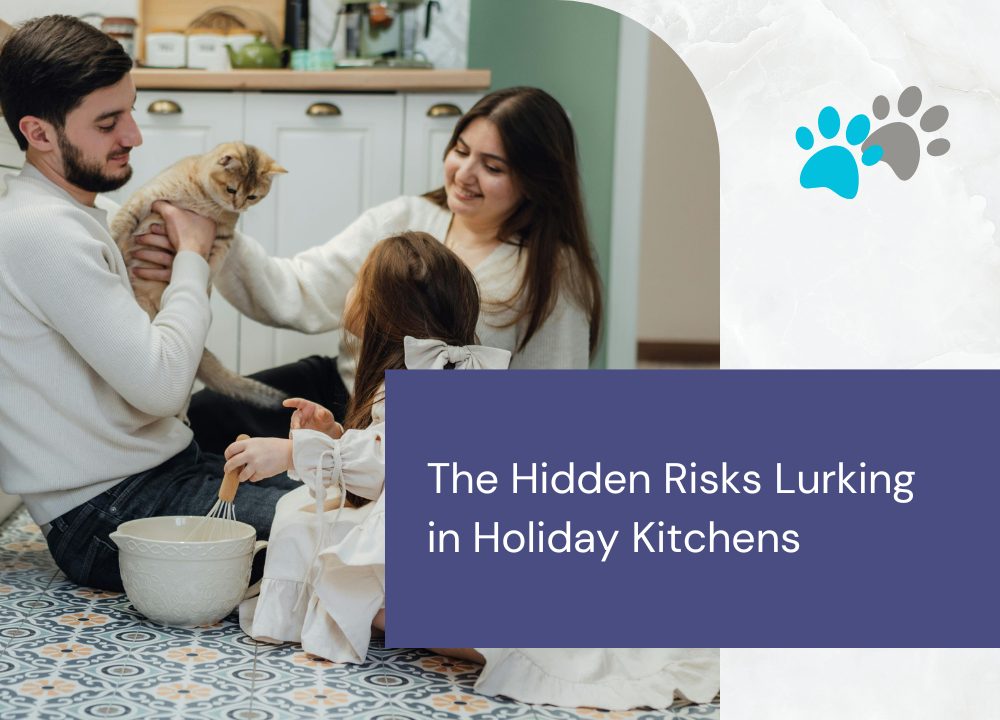
The Hidden Risks Lurking in Holiday Kitchens

Holiday gatherings change routines. Pets are exposed to unfamiliar smells, dropped food, and guests who love to share.

Even responsible owners can be caught off guard. A single distraction is often enough for a pet to grab something unsafe. Understanding where risks come from is the first step toward preventing an emergency during an otherwise meaningful season.

Common risk moments include:

  • Food left on low tables
  • Plates within reach during meals
  • Trash bins filled with leftovers
  • Guests unaware of pet restrictions


Holiday Foods Pets Should Never Eat

Some holiday staples are far more dangerous than they appear. Many are toxic even in small amounts.

Foods that commonly cause problems include:

  • Chocolate and cocoa based desserts
  • Grapes and raisins in baked goods
  • Onions and garlic used in savory dishes
  • Alcohol and foods cooked with it
  • Fatty meats, bones, and rich gravies
  • Xylitol found in sugar free treats 

Dogs and cats process these foods differently than humans, making exposure especially dangerous.


Why Even Small Bites Can Lead to Serious Health Issues

Pets have smaller bodies and different digestive systems. What seems harmless to us can overwhelm their organs.

Some toxins affect the liver or kidneys over time, meaning symptoms may not appear immediately. Others cause rapid reactions like vomiting, tremors, or difficulty breathing. This delay often leads owners to underestimate the severity until the situation becomes urgent.

Watch closely for:

  • Lethargy or weakness
  • Vomiting or diarrhea
  • Loss of appetite
  • Changes in coordination
  • Excessive thirst or urination


Smart Holiday Habits That Keep Pets Safe and Stress Free

Prevention is more effective than reacting after exposure. A few intentional habits can significantly reduce risk.

Helpful strategies include:

  • Feeding pets before gatherings to reduce begging
  • Setting clear boundaries with guests
  • Keeping food out of reach at all times
  • Securing trash bins with lids
  • Offering pet safe treats during meals

These steps create a calmer environment for pets and peace of mind for owners.


What to Do If Your Pet Eats Something They Should Not

Quick, calm action matters. If you suspect exposure to holiday foods pets should never eat, contact your veterinarian or an emergency clinic immediately.

Do not induce vomiting unless directed by a professional. Time, food type, and quantity all influence the right response. Having your vet’s number accessible during the holidays helps you act without hesitation.

Prepared owners make better decisions under pressure, protecting both their pets and their plans.


Thoughtful Guidance for Finding Homes That Fit Your Life and Your Pets

Thoughtful preparation during the holidays reflects the same care used when making important life decisions. Just as informed choices protect your pet’s well being, trusted guidance helps families navigate complex moments with confidence and clarity throughout every season.

Keep Your Dog Happy and Safe: Winter Puppy Socialization Tips

December 11th, 2025

Winter Puppy Socialization Tips

Cold weather can make it hard for new pet owners to give their pups the social experiences they need, and many worry about missing this important stage of development. With the right winter puppy socialization tips, you can help your dog grow into a confident companion. There is more you can do during the colder months, so keep reading to learn how.

Give Your Puppy a Strong Start Even When Temperatures Drop

Early socialization shapes how your puppy responds to people, other animals, and new environments. During Edmonton’s colder months, many owners unintentionally scale back outings, which can limit important experiences.

Even in winter, your puppy can learn to navigate the world with confidence. A thoughtful approach helps your dog stay safe and comfortable while building essential skills that last a lifetime.

Winter Puppy Socialization Tips Every Owner Can Rely On

Your puppy still needs regular exposure to new sights, sounds, and controlled interactions. These winter puppy socialization tips help you offer safe and positive experiences even when conditions are unpredictable.

Try simple, consistent activities such as:

  • Short, supervised walks on cleared pathways
  • Introducing new winter textures like snow, ice, or boots
  • Calm interactions at pet-friendly indoor spaces
  • Rewarding your puppy when they explore new environments

These steps encourage healthy confidence while keeping safety top of mind.

Create Positive Indoor Experiences That Build Confidence

Indoor environments offer meaningful opportunities for growth, especially on days when temperatures dip too low for comfortable outdoor time. Your home can support social learning in practical ways.

You can introduce your puppy to:

  • Visitors or family members using gentle, structured greetings
  • Training games that encourage focus and patience
  • Puzzle toys that challenge problem-solving skills
  • New household sounds such as TVs, appliances, or music

These experiences offer variety and enrichment without exposing your puppy to the cold.

Protect Your Puppy’s Health and Comfort During Winter Outings

Confidence grows when outings feel comfortable and safe. Preparing for cold weather supports positive associations with the world outside your door.

Before stepping out, consider:

  • Paw balm or winter booties to prevent irritation
  • A well-fitted coat for wind and snow
  • Avoiding salted or icy areas when possible
  • Shorter sessions to prevent overexposure

A comfortable puppy is more open to exploring. These steps reduce stress and make each outing more productive for social development.

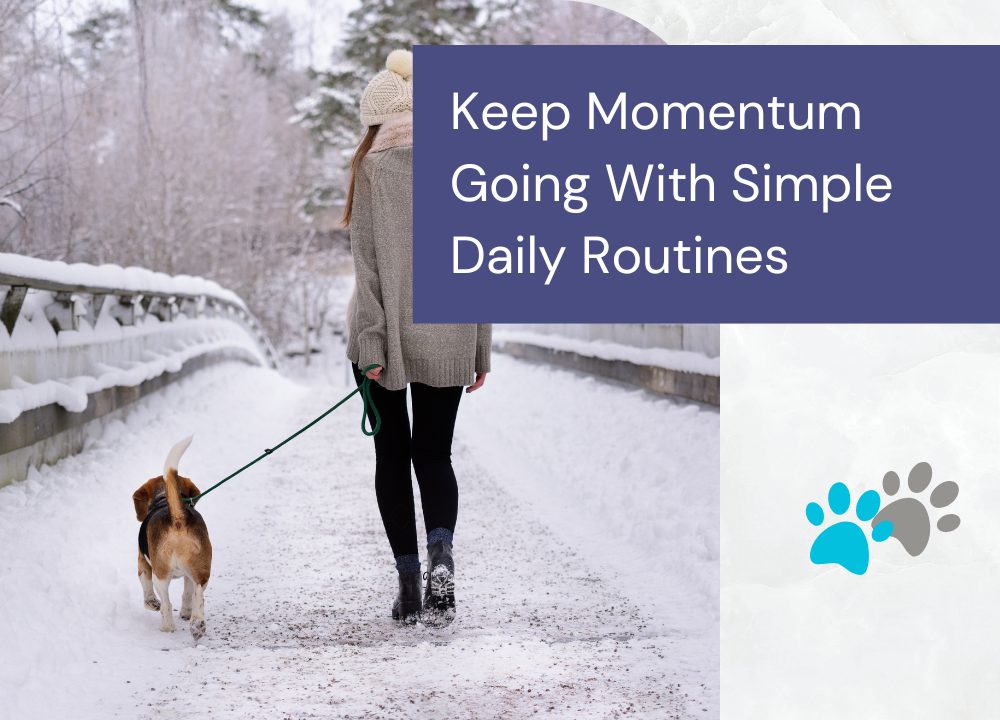
Keep Momentum Going With Simple Daily Routines

Consistency helps your puppy thrive. Even brief sessions create strong habits and reinforce positive behaviors throughout the winter months. Small moments matter and build toward long-term success.

You can maintain progress by:

  • Practicing one new skill per day
  • Creating calm, predictable feeding and rest routines
  • Recording positive experiences to track growth

Staying steady with your approach ensures your puppy becomes a well-adjusted companion ready for any season.

Supporting Your Puppy’s Well-Being All Year

Winter can influence routines, but your puppy’s social development does not need to pause. With these strategies and your commitment, your dog gains confidence that lasts through every stage of life. When you are settled into a home that supports your lifestyle and your pets, the experience becomes even more meaningful.

If you ever need guidance on finding a home with the right space for your dog’s growth, the Dave Ozubko Real Estate Team is here to help you make thoughtful choices that align with your goals.

Average Days on Market in Edmonton: What It Means for Sellers & Buyers

November 27th, 2025

If your home has been sitting on the market longer than expected, understanding the average days on market in Edmonton can reveal why. This key metric shows how fast homes are selling and what that pace means for you as a seller or buyer. Keep reading to learn how to use this insight to make smarter real estate decisions.

What the Average Days on Market in Edmonton Reveals About Today’s Market

In the October 2025 Real Estate Market update, the Greater Edmonton Area (GEA) recorded 2,061 sales, reflecting a modest seasonal adjustment. The average days on market in Edmonton sits between 40 and 50 days, showing a market that’s moving at a steady, balanced pace.

Detached homes averaged a price of $559,585, while apartment condominiums reached $202,733, both maintaining healthy year-over-year growth. With active listings up nearly 15 percent, buyers now have more options, and sellers continue to benefit from solid demand. The current data suggests a balanced environment where both sides can make confident, well-timed moves.

How Sellers Can Use Market Data to Position Their Home Strategically

Sellers benefit from understanding the city’s current pace. When the average property sells within 45 days, a listing that stretches beyond that may need attention. The right pricing and presentation can make a clear difference.

Three ways to reduce your market time:

  • Price competitively: Study recent comparable sales in your neighborhood.
  • Invest in presentation: Professional staging and high-quality photography help your listing stand out.
  • List confidently year-round: While spring brings higher activity, motivated winter buyers often act quickly and decisively.

Working with an experienced real estate agent is equally important. An agent with local expertise like Dave Ozubko Real Estate Team understands Edmonton’s market can interpret trends, fine-tune your strategy, and connect you with serious buyers. They use up-to-date data and proven marketing techniques to help your home move efficiently, even in slower seasons.

What a Short or Extended Market Time Means for Buyers

For buyers, DOM provides valuable context. A home that sells within a week often indicates strong pricing and demand. Listings that linger beyond two months may suggest negotiation opportunities or homes overlooked by other buyers.

In Edmonton’s current market, detached homes still sell faster than condos, but both remain accessible compared to other Canadian cities. Buyers who monitor DOM trends can identify opportunities that match their goals, knowing when to move quickly and when to negotiate for value.

Reading Between the Numbers: Factors That Influence Edmonton’s DOM

Several factors influence how long homes stay on the market:

  • Seasonal patterns: Fewer listings in winter mean less competition for sellers and motivated buyers ready to act.
  • Interest rates: Stability or small decreases can boost buyer confidence and shorten DOM.
  • Property type and location: Detached homes often move faster, while condos may take longer depending on inventory levels.

In October 2025, listings rose 14.7 percent year-over-year, while sales remained steady—an indicator of a maturing, balanced market where preparation and strategy matter more than timing.

Turning Market Insights into Confident Decisions

The average days on market in Edmonton offers more than just a statistic, it’s a guide to understanding momentum, value, and opportunity. For sellers, it supports strategic pricing and preparation. For buyers, it clarifies competition and timing.

Whether you’re buying or selling this winter or planning for spring, the Dave Ozubko Real Estate Team helps you make informed choices grounded in data and experience. With a clear strategy and expert guidance, every season can be the right time to move forward confidently in Edmonton’s market.


Protect Your Companion with an Edmonton Pet Winter Wellness Check

November 11th, 2025

Protect Your Companion with an Edmonton Pet Winter Wellness Check


Cold weather in Edmonton can take a toll on pets, from dry skin to reduced energy levels that often go unnoticed until discomfort sets in. Scheduling an Edmonton pet winter wellness check can help prevent seasonal issues before they escalate. Keep reading to learn how a few proactive steps can make all the difference for your furry companion this winter.

Why Your Pet’s Winter Health Deserves Extra Attention

Edmonton winters are beautiful but demanding. While homeowners prepare their spaces for snow and ice, pets often face hidden challenges. lLess exercise, cold surfaces, and drier indoor air. Just as a home inspection ensures your property’s condition, a seasonal wellness check gives insight into your pet’s health before small issues grow into costly concerns.

Understanding How Winter Affects Your Pet’s Health

Cold months change more than just outdoor routines. Shorter days and icy walks can affect your pet’s mood, skin, and joints. Some common seasonal concerns include:

  • Dry skin or dull coat: Caused by indoor heating and lack of humidity.
  • Stiff joints: Especially for senior pets with arthritis.
  • Weight changes: Less outdoor playtime often means fewer calories burned.
  • Paw irritation: Salt and de-icers can cause cracking or discomfort.

By understanding these patterns, you can adjust routines and create a supportive home environment.

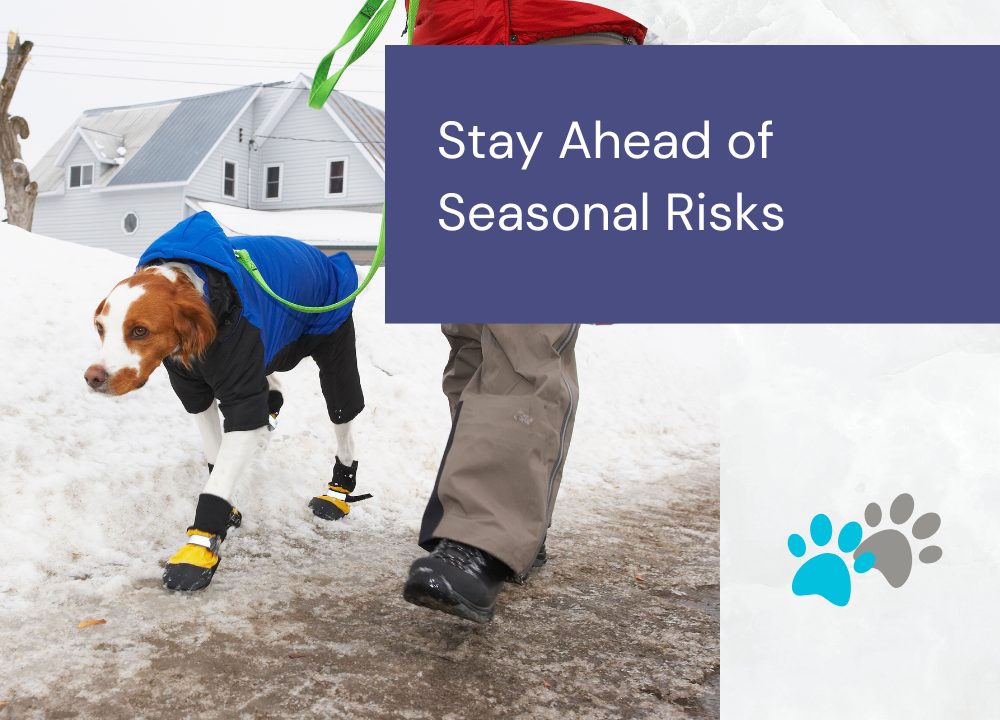
Stay Ahead of Seasonal Risks with an Edmonton Pet Winter Wellness Check

A professional Edmonton pet winter wellness check allows veterinarians to identify health issues that might otherwise go unnoticed. These visits often include:

  • Full-body exams for skin, coat, and joint health

  • Weight and diet assessments
  • Parasite and dental checks
  • Tailored advice on hydration and activity levels

Just like regular home maintenance, preventive care reduces the likelihood of larger problems later. For many Edmonton homeowners, investing in seasonal pet wellness complements the same mindset they bring to maintaining a safe, comfortable home.

Simple Home Habits and Spaces That Keep Pets Comfortable in the Cold

Your home layout can make a difference in how pets handle winter. Consider:

  • Warm resting zones: Place pet beds away from drafty doors or windows.
  • Heated flooring or area rugs: Keeps paws warm, especially on tile or laminate.
  • Mudroom or entry setup: Create a cleanup station for wiping paws and storing leashes.
  • Natural light areas: Encourage play near windows to support mood and energy.

Small updates in design can enhance comfort for both you and your pets. Thoughtful features like pet-friendly flooring, built-in storage, or defined play areas often become selling points when it’s time to move, blending lifestyle and property value seamlessly.

Building a Healthier, Happier Winter Routine for Your Pet

Consistency matters most. Daily grooming, balanced meals, and regular movement help your pet stay comfortable through long winters. Combine this with an annual Edmonton pet winter wellness check to ensure lasting well-being.

For homeowners, it’s a reminder that the right environment—both inside and outside your home—shapes quality of life for the whole family. Pets thrive when their space is safe, warm, and full of care.

Finding Comfort and Home for Every Season

Caring for your pet through Edmonton’s winter is about more than quick fixes—it’s about creating lasting comfort within your home and lifestyle. A seasonal wellness check ensures your companion stays healthy, while thoughtful home design supports warmth and safety.

If you’re considering a home that better fits your family’s needs—including your pets—the Dave Ozubko Real Estate Team can guide you toward properties designed for comfort and connection.

Realtor Fees in Alberta: What Buyers and Sellers Need to Know in 2025

October 27th, 2025

realtor fees in Alberta


Understanding realtor fees in Alberta can feel confusing, especially when you’re unsure what’s fair or how those costs are calculated. Whether you’re buying your first home or preparing to sell, knowing what to expect can help you plan with confidence. This guide breaks down everything you need to know and offers insight to help you make informed decisions in 2025.

Understanding the True Cost of Real Estate Representation

For many, the biggest question is what those fees actually cover. Realtor fees are not just a commission—they represent the professional services, time, and resources that go into ensuring your transaction runs smoothly and successfully.

Your realtor’s role extends far beyond listing a property or unlocking doors. These fees often include:

  • Market research and property valuation
  • Strategic marketing and advertising
  • Professional photography and staging support
  • Negotiation and contract management
  • Guidance through legal and closing procedures

When you understand the full scope of these services, you see the true value behind the cost.

Realtor Fees in Alberta — What You’re Really Paying For

The structure of realtor fees in Alberta is typically based on a percentage of the home’s sale price, often split between the buyer’s and seller’s agents. While there’s no fixed rate, the most common approach follows a shared-commission model agreed upon before listing.

This model ensures both parties’ agents are compensated for representing their clients’ best interests. The fees are then distributed between the listing and buyer’s brokerages.

A knowledgeable realtor doesn’t just charge for time—they deliver measurable value. From securing competitive offers to protecting your financial interests, the right representation often pays for itself through higher sale prices or better purchase terms.

Factors That Influence Realtor Fees in 2025

Factors That Influence Realtor Fees in 2025

Several elements determine the total fees you might encounter in 2025:

  • Market conditions: Competitive housing markets like Edmonton may slightly affect commission rates or service inclusions.
  • Property type: Luxury homes, condominiums, and rural properties may require distinct marketing strategies that influence pricing.
  • Brokerage structure: Each brokerage sets its own commission policy based on experience, resources, and service scope.

Ultimately, fees reflect not just percentage points—but the level of expertise, marketing reach, and negotiation skill your realtor brings to the table.

How Realtor Fees Work When Buying vs. Selling

Buyers often assume they pay realtor fees, but in most cases, the seller covers both agents’ commissions from the sale proceeds. That means buyers benefit from professional representation at no direct cost.

For sellers, these fees are an investment toward maximizing return. A skilled agent brings pricing strategy, exposure, and buyer networks that can result in higher offers and faster sales. Partnering with an experienced team like the Dave Ozubko Real Estate Team ensures every dollar spent contributes to a more efficient and rewarding transaction.

Tips for Discussing and Negotiating Realtor Fees

Open communication about fees is key to building trust. If you’re uncertain, approach the conversation as a collaboration rather than a negotiation. Here are ways to make that discussion productive:

  • Ask for a detailed explanation of what’s included in the service package.
  • Discuss marketing strategies and performance expectations upfront.
  • Compare services rather than just commission rates.
  • Look for transparency and professionalism in how the agent addresses your questions.

These discussions are a chance to align your goals with your agent’s expertise—creating a partnership that works for both sides.

Making Informed Choices for a Better Real Estate Experience

Understanding realtor fees in Alberta empowers you to plan wisely, budget confidently, and choose an agent who aligns with your goals. Whether you’re aiming to buy your dream home or sell for financial freedom, the key is working with someone who prioritizes your success.

The Dave Ozubko Real Estate Team provides professional guidance and transparent service designed to help clients make confident, well-informed decisions in Alberta’s dynamic real estate market. Ready to take the next step? Connect with our team today to discuss your goals and start your real estate journey with confidence.

Pet Winter Preparation in Edmonton: Health, Safety & Comfort Tips

October 8th, 2025

Pet Winter Preparation in Edmonton

When it comes to pet winter preparation in Edmonton, many owners worry about how their pets will handle freezing temperatures, icy sidewalks, and long indoor hours. The good news is, there are proven ways to protect their health, safety, and comfort. We’ve gathered practical strategies to guide you through the season—keep reading to learn how.

Pet Winter Preparation in Edmonton

Prioritize Health Checks Before the Cold Sets In

Edmonton’s winters can take a toll on pets, especially those with pre-existing health conditions. A seasonal checkup ensures your veterinarian can identify risks early.

  • Arthritis may worsen in cold weather.
  • Older pets may require adjustments to their exercise routine.

  • Vaccinations and parasite control remain important, even in winter months.

By prioritizing health now, you’ll have peace of mind knowing your pet is ready for the long stretch of cold ahead.

Pet Winter Preparation in Edmonton

Smart Paw and Coat Care for Winter Protection

One of the biggest challenges in pet winter preparation is protecting paws and coats from the elements. Snow, salt, and ice can quickly cause discomfort.

Practical steps include:

  • Using pet-safe balms before walks to protect paw pads.
  • Rinsing paws afterward to remove ice and de-icing chemicals.
  • Considering booties for added warmth and traction.
  • Keeping coats brushed to improve insulation.

A little maintenance goes a long way toward keeping pets comfortable on their outdoor adventures.

Pet Winter Preparation in Edmonton

Pet Winter Preparation in Edmonton: Keeping Them Safe Outdoors

Frigid conditions can make outdoor time hazardous without planning. Dogs, in particular, need outdoor exercise, but their safety depends on limits. Pet safety in winter means watching for signs of discomfort and adjusting routines as temperatures drop.

Tips for safer outings include:

  • Restricting outdoor sessions when temperatures dip below -20°C.
  • Supervising play to prevent overexposure.
  • Outfitting pets with jackets or sweaters, especially for short-haired breeds.
  • Providing alternatives indoors, such as fetch in hallways or treadmill walks.

Thoughtful routines help your pet enjoy winter without unnecessary risks.

Pet Winter Preparation in Edmonton

Create a Warm and Comfortable Home Environment

While outdoor care is vital, the indoors are where pets spend most of their time during Edmonton winters. Comfort here makes all the difference.

Ways to improve home comfort:

  • Offer cozy, draft-free sleeping areas with layered bedding.
  • Use humidifiers to reduce dry skin caused by indoor heating.
  • Introduce puzzle feeders or toys to keep pets mentally engaged.

Proper pet winter preparation should focus on creating a home that nurtures both health and happiness.

Pet Winter Preparation in Edmonton

Connecting Home and Lifestyle Needs

For many pet owners, the right home environment matters just as much as seasonal preparation. Design features like larger entryways make paw clean-up easier, while mudrooms provide a dedicated spot for wiping down after walks. Spacious basements or bonus rooms give pets room to exercise indoors, and fenced yards create safer winter outings. Considering these elements when choosing or updating a home helps families and pets stay comfortable and thrive year-round.

Keeping Pets Healthy and Comfortable All Winter

Effective pet winter preparation requires a balance of health care, protective gear, and thoughtful home comfort. By addressing each of these areas, you’ll ensure your pets stay warm, safe, and active through the coldest months.

And if you’re thinking ahead to a home that better supports your family and pets year-round, the Dave Ozubko Real Estate Team is here to help you find the perfect fit.


What Every Buyer Needs to Know About a Fall Home Inspection in Edmonton

September 23rd, 2025

Every Buyer Needs to Know About a Fall Home Inspection

Buying a home is an exciting milestone, but it comes with crucial steps that protect your investment. A fall home inspection in Edmonton is not only required, it is especially valuable this time of year. Cooler temperatures and shifting weather patterns expose issues that can affect both comfort and long-term costs once winter sets in.

Why Fall Timing Matters for Edmonton Buyers

A home inspection is always part of the process, but fall provides unique advantages for Edmonton buyers. Seasonal conditions reveal details you might miss in warmer months.

During a fall inspection, you can expect insights into:

  • Drafts and insulation gaps that impact heating bills.
  • Roof wear and drainage performance before heavy snow.
  • Furnace and heating systems under real seasonal demand.

Addressing these issues early gives you leverage as a buyer.

Fall Home Inspection Edmonton: What to Expect

When preparing for a fall home inspection Edmonton buyers should anticipate a detailed review of critical systems. Inspectors evaluate the same core areas year-round, but autumn reveals specific risks.

Key inspection points include:

  • Roofing: Identifying missing shingles or flashing issues before snow accumulation.
  • Windows and Doors: Detecting drafts that reduce energy efficiency.
  • Furnace and Heating: Ensuring the system is ready for extended winter use. 
  • Plumbing: Checking for vulnerabilities to freezing temperatures.
  • Foundation and Drainage: Spotting water pooling that could become ice problems. 

These insights help you purchase with confidence, knowing what lies ahead.

Hidden Costs That Inspections Can Help Prevent

Skipping or overlooking the value of a fall inspection could leave you facing costly repairs. Small issues can quickly escalate in Edmonton’s freeze-thaw climate.

Common examples include:

  • Roof leaks that worsen under snow loads.
  • Frozen pipes from uninsulated plumbing.
  • Inefficient furnaces leading to high utility bills.
  • Cracks in foundations that expand with frost.

By catching these concerns in advance, buyers save thousands and avoid disruptive repairs after moving in.

The Financial Advantage of Early Insights

Every home inspection provides protection, but a fall inspection is uniquely positioned to safeguard your budget. Identifying heating or insulation issues before temperatures drop allows you to negotiate repairs or adjustments with the seller.

For instance, buyers may request:

  • Furnace servicing or replacement.
  • Credit toward replacing drafty windows.
  • Roof repair before winter damage occurs.

This positions the inspection not just as a requirement, but as a strategic financial tool.

Your Agent’s Role in Maximizing Inspection Value

The home inspection process can feel technical, but a trusted real estate agent ensures you get the most from it. At the Dave Ozubko Real Estate Team, we guide buyers by:

  • Helping choose qualified inspectors.
  • Interpreting findings in plain language.
  • Negotiating for repairs or price reductions. 

This guidance transforms the inspection into a tool for clarity, not confusion. Buyers walk away with actionable insights and stronger negotiating power.

Making Informed Choices This Fall

When considering what every buyer needs to know about a fall home inspection in Edmonton, the takeaway is clear: inspections are required, but fall conditions make them especially revealing. They safeguard comfort, highlight potential costs, and provide leverage in negotiations.

If you’re preparing to buy a home this season, connect with the Dave Ozubko Real Estate Team to schedule a consultation. Together, we’ll guide you through the inspection process and position you for a confident, informed decision.

Pet Shedding in Edmonton: How to Manage Fall Coat Changes and Keep Your Home Clean

September 8th, 2025

Pet Shedding in Edmonton


As cooler weather approaches, many Edmonton pet owners find themselves dealing with an uptick in loose fur. Whether it’s clinging to your clothes or piling up in corners, seasonal shedding can catch you off guard. But don’t worry—pet shedding in Edmonton is a normal, natural response to changing light and temperature.

Understanding why your pet sheds more during this time, which breeds are most affected, and how to manage it effectively can help you stay on top of the fur and keep your home tidy.

Why Shedding Increases in Cooler Months

The primary trigger for seasonal shedding isn’t the temperature—it’s the daylight. As the days grow shorter, your pet’s internal clock signals that it’s time to shed their lightweight summer coat and begin growing in a thicker winter one.

This cycle is especially strong in northern cities like Edmonton, where the shift in daylight hours is more dramatic. Even indoor pets are affected by these changes, as they’re still exposed to natural light through windows or daily routines.

So while fall might not feel like “shedding season,” this transition is just as important for your pet as the springtime coat change.

Breeds Most Affected by Coat Changes

While all pets shed to some degree, some are more prone to seasonal blowouts. Double-coated dogs—such as Golden Retrievers, German Shepherds, Huskies, and Malamutes—are known for intense coat changes in the fall. These breeds shed their soft undercoat to prepare for the dense winter fur that helps them stay warm.

Long-haired cats and mixed breeds with thick coats may also experience heavier shedding during this time. If your pet was bred for colder climates, you’re likely to notice more hair around the house as the season shifts.

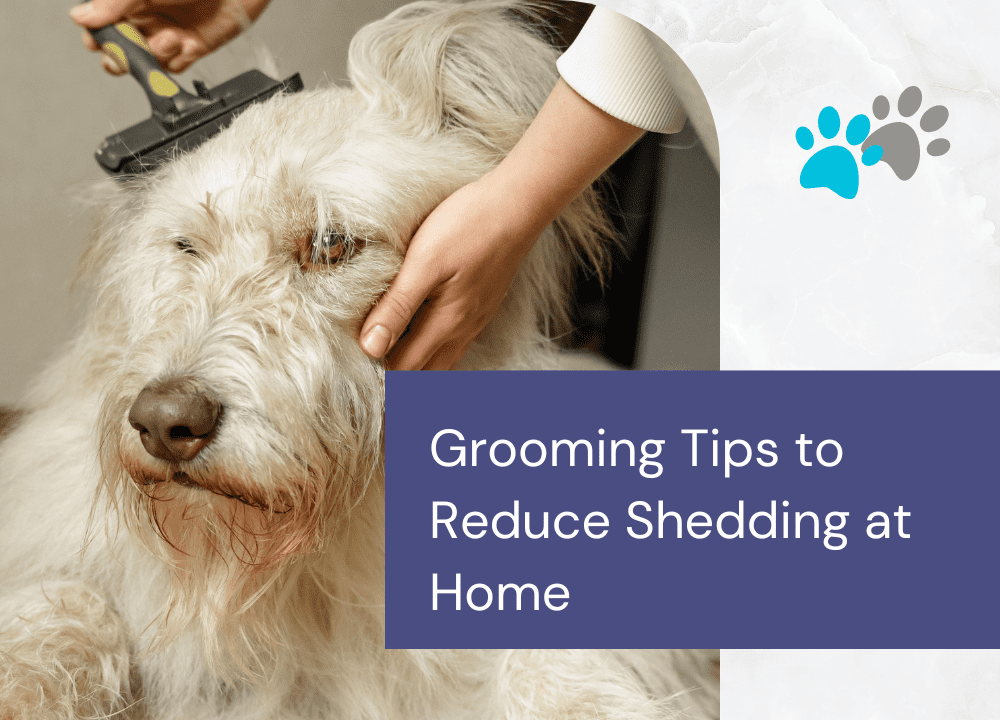
Grooming Tips to Reduce Shedding at Home

Managing pet shedding in Edmonton starts with good grooming habits. Here’s how to stay ahead of it:

  • Brush often: Regular brushing (2–3 times per week or daily for heavy shedders) helps remove loose hair and prevent matting. Use de-shedding tools like undercoat rakes or slicker brushes.

  • Give warm baths: A warm bath loosens dead hair and helps reduce shedding when followed by a good brushing session. Consider a de-shedding shampoo for best results.

  • Visit a groomer: Local Edmonton groomers often offer seasonal de-shedding services that remove loose undercoat efficiently. Booking early ensures availability before the winter rush.

  • Clean smart: Use vacuum attachments for pet hair, washable furniture covers, and lint rollers to keep your home fur-free.

When to See a Vet

Shedding is normal, but certain signs mean it’s time to call your veterinarian. Watch for:

  • Bald spots or uneven patches

  • Excessive scratching, licking, or biting

  • Dry, flaky, or inflamed skin

  • Sudden changes in shedding patterns

These may point to allergies, parasites, infections, or other health issues. A vet can rule out underlying problems and recommend the right treatment to keep your pet comfortable and healthy.

Stay Ahead of Shedding Season

Pet shedding in Edmonton during the cooler months is a natural part of your pet’s health cycle. With a few smart grooming habits and some preventative care, you can keep both your pet and your home more comfortable during this seasonal transition.

And if this fall has you thinking about more than just fur—like finding a home with the perfect layout for pets and family life—the Dave Ozubko Real Estate Team is here to guide you. From homes with mudrooms that make grooming easier to spaces that give every family member (paws included) room to thrive, we’ll help you find the right fit for your next chapter in Edmonton.

Fall Moving Tips for Edmonton Families: Start the School Year in the Right Home

August 26th, 2025

As school routines begin and the pace of summer slows, many Edmonton families are still considering a move. While summer is traditionally seen as the peak season for real estate, fall can offer smart opportunities for those planning their next chapter. Whether you’re relocating within the city or making a bigger lifestyle change, this season provides flexibility, calmer market conditions, and a chance to align your home with your evolving family needs.

Why Fall Can Be a Smart Time to Move in Edmonton

Fall offers several advantages in the local real estate market. With fewer buyers competing, families often gain more negotiating power and time to explore properties without pressure. Sellers who listed during summer may now be more open to flexible terms or price adjustments, especially if they’re motivated to close before winter.

The weather also remains cooperative during early fall, making showings and moving logistics easier than in snow-covered months. For families who didn’t find the right home in the summer, fall provides a second wave of opportunity with less competition and more breathing room.

Tips for Families Moving After School Has Started

Moving after the school year begins presents unique considerations—but with some planning, it can be a smooth experience. Start by maintaining consistent routines for kids during the transition. Keeping morning schedules, meal times, and bedtime rituals steady helps reduce stress.

If a school change is involved, reach out to administrators early. Edmonton Public and Catholic schools often accommodate mid-year enrollments, but paperwork and planning still take time. Schedule a visit to the new school ahead of the move to ease first-day jitters and help your child feel comfortable in their new environment.

What to Look for in a Family-Friendly Home This Fall

When choosing a new home, prioritize features that align with your family’s school-year lifestyle. Proximity to schools, public transit, and local parks is key for busy households. A short, safe commute to school can make daily routines much easier for both kids and parents.

Inside the home, look for layouts that support your needs: space for homework, organized entryways for backpacks and shoes, and functional kitchens for after-school snacks and dinners. Mudrooms, finished basements, and fenced yards can also add long-term value to family life.

A realtor who understands your priorities can help you narrow down listings with features that truly matter during the school year.

Making the Most of the Fall Market

Buying or selling in fall doesn’t mean rushing. Instead, it’s about taking advantage of a balanced market and setting realistic expectations. A typical real estate transaction in Edmonton takes 30 to 60 days from offer to possession. Planning now can still lead to a move before winter weather sets in.

For sellers, focus on highlighting family-friendly features in your listing and staging—especially functional spaces and cozy fall ambiance. For buyers, stay prepared with mortgage pre-approval and a clear timeline so you can act confidently when the right home comes along.

Edmonton Families Deserve Homes That Support Their Routines

Moving in the fall is more than a timeline decision—it’s about finding a home that supports your family’s lifestyle throughout the school year and beyond. These fall moving tips for Edmonton families are designed to help you make informed decisions, reduce stress, and take advantage of what the season offers.

Whether you’re settling in before the snow falls or planning ahead for a fresh start, a thoughtful fall move can position your family for comfort, convenience, and long-term success. For guidance tailored to your timeline, contact the Dave Ozubko Real Estate Team at 780-966-8227 we’re here to help you find the right home, right when it matters most.