The holidays bring busy kitchens and generous plates, but many well meaning traditions hide risks from holiday foods pets should never eat, leaving owners unsure how to protect their companions. This article offers clear guidance grounded in experience, helping you make confident choices. Ahead, you will learn which foods cause harm, why they matter, and how to keep pets safe.
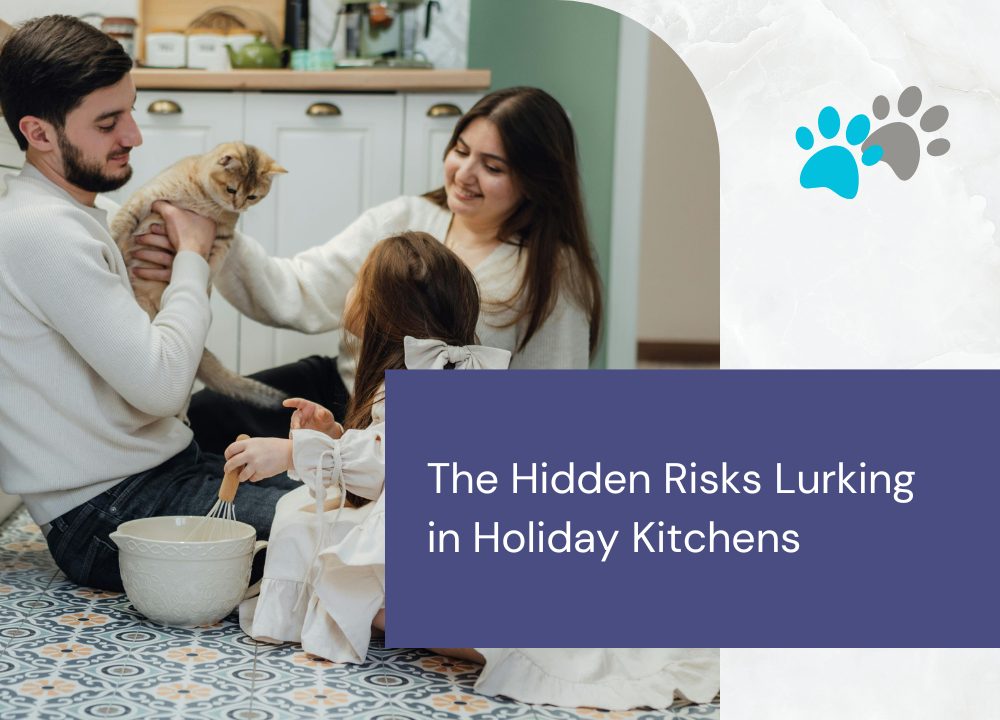
The Hidden Risks Lurking in Holiday Kitchens
Holiday gatherings change routines. Pets are exposed to unfamiliar smells, dropped food, and guests who love to share.
Even responsible owners can be caught off guard. A single distraction is often enough for a pet to grab something unsafe. Understanding where risks come from is the first step toward preventing an emergency during an otherwise meaningful season.
Common risk moments include:
- Food left on low tables
- Plates within reach during meals
- Trash bins filled with leftovers
- Guests unaware of pet restrictions
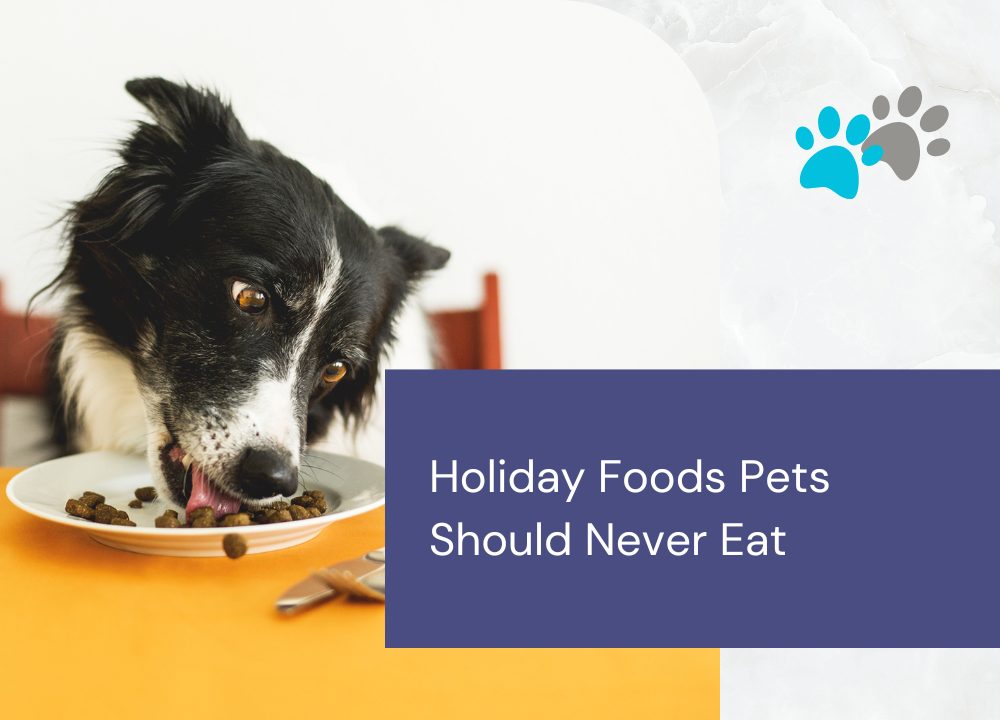
Holiday Foods Pets Should Never Eat
Some holiday staples are far more dangerous than they appear. Many are toxic even in small amounts.
Foods that commonly cause problems include:
- Chocolate and cocoa based desserts
- Grapes and raisins in baked goods
- Onions and garlic used in savory dishes
- Alcohol and foods cooked with it
- Fatty meats, bones, and rich gravies
- Xylitol found in sugar free treats
Dogs and cats process these foods differently than humans, making exposure especially dangerous.
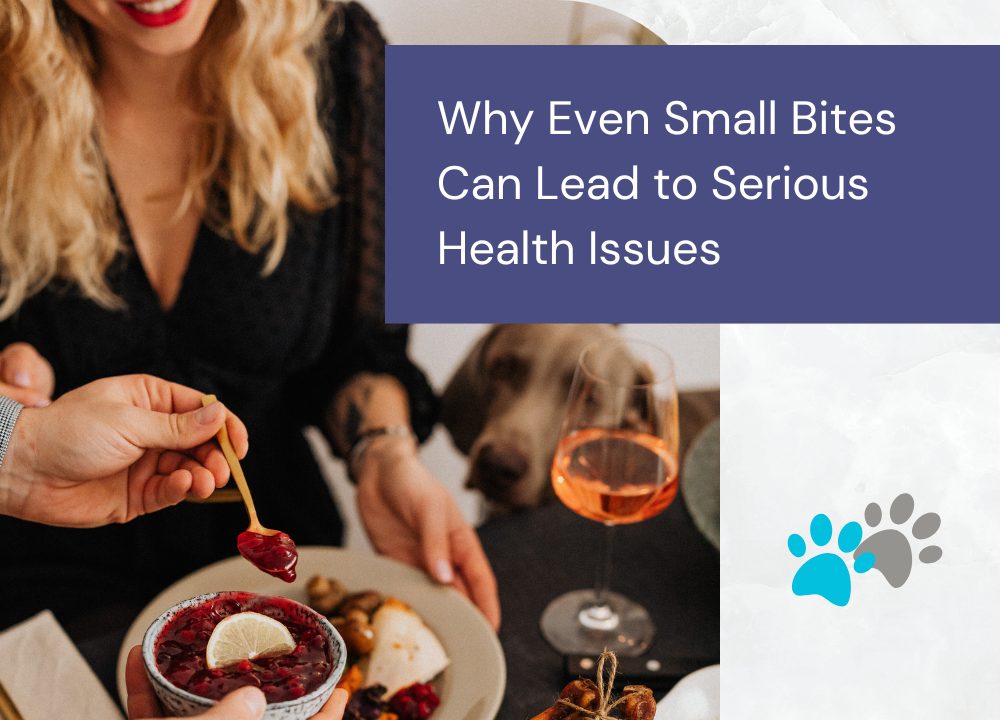
Why Even Small Bites Can Lead to Serious Health Issues
Pets have smaller bodies and different digestive systems. What seems harmless to us can overwhelm their organs.
Some toxins affect the liver or kidneys over time, meaning symptoms may not appear immediately. Others cause rapid reactions like vomiting, tremors, or difficulty breathing. This delay often leads owners to underestimate the severity until the situation becomes urgent.
Watch closely for:
- Lethargy or weakness
- Vomiting or diarrhea
- Loss of appetite
- Changes in coordination
- Excessive thirst or urination
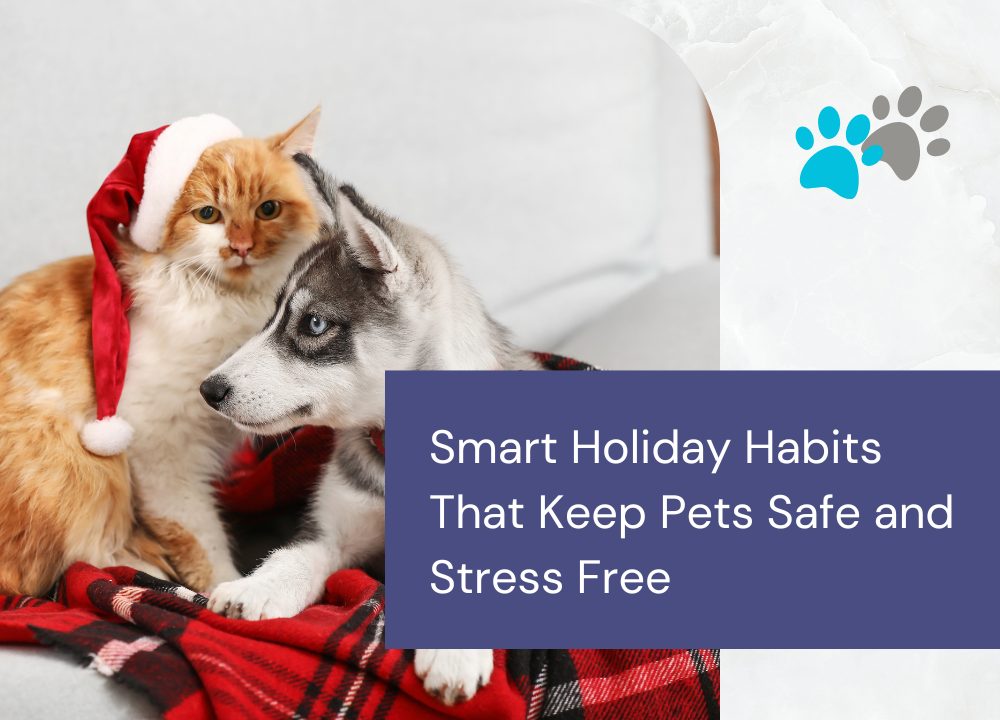
Smart Holiday Habits That Keep Pets Safe and Stress Free
Prevention is more effective than reacting after exposure. A few intentional habits can significantly reduce risk.
Helpful strategies include:
- Feeding pets before gatherings to reduce begging
- Setting clear boundaries with guests
- Keeping food out of reach at all times
- Securing trash bins with lids
- Offering pet safe treats during meals
These steps create a calmer environment for pets and peace of mind for owners.
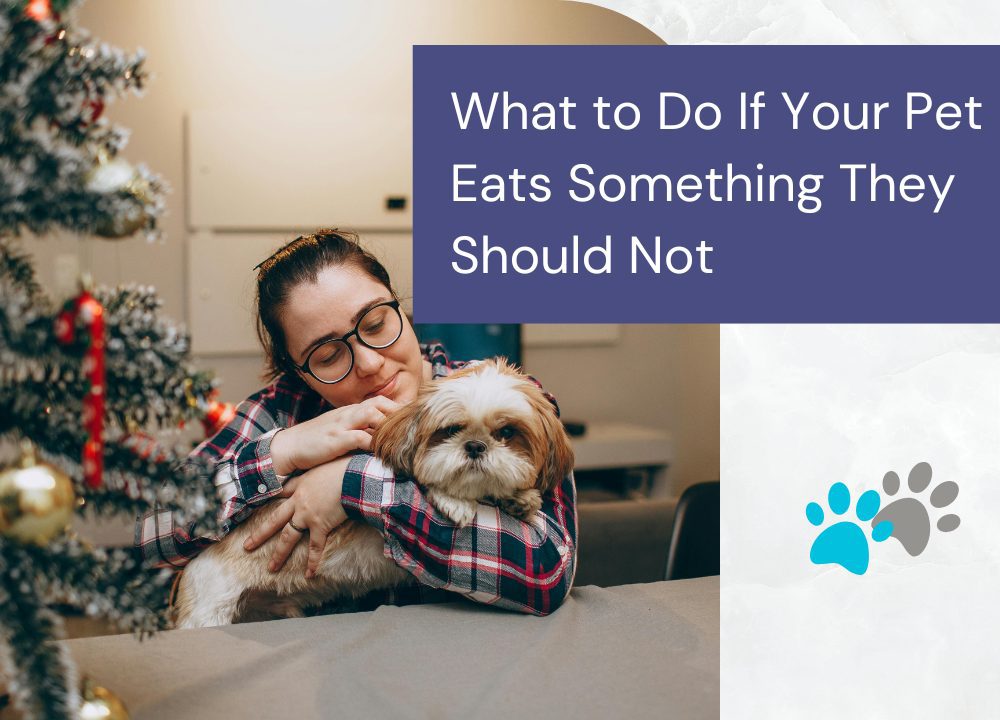
What to Do If Your Pet Eats Something They Should Not
Quick, calm action matters. If you suspect exposure to holiday foods pets should never eat, contact your veterinarian or an emergency clinic immediately.
Do not induce vomiting unless directed by a professional. Time, food type, and quantity all influence the right response. Having your vet’s number accessible during the holidays helps you act without hesitation.
Prepared owners make better decisions under pressure, protecting both their pets and their plans.
Thoughtful Guidance for Finding Homes That Fit Your Life and Your Pets
Thoughtful preparation during the holidays reflects the same care used when making important life decisions. Just as informed choices protect your pet’s well being, trusted guidance helps families navigate complex moments with confidence and clarity throughout every season.