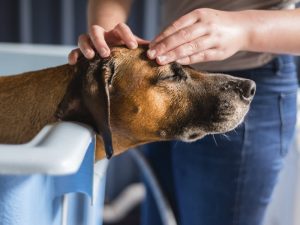
While many pet owners associate ticks with wooded areas or regions with warmer climates, it’s important to recognize that ticks are a concern even in Alberta. These tiny arachnids can pose a significant threat to the health of our beloved pets, as they can transmit dangerous diseases. In this article, we’ll explore the risks associated with ticks in Alberta and provide valuable tips on how to protect your furry friends.
- Understanding the Tick Threat in Alberta: Contrary to popular belief, ticks are present in various regions of Alberta, including grassy areas, forests, and parks. The most common species found in the province are the American dog tick and the Rocky Mountain wood tick. These ticks can transmit diseases such as Lyme disease, Rocky Mountain spotted fever, and tick paralysis, among others.
- Identifying Tick Habitats: Ticks thrive in areas with tall grass, shrubs, and leaf litter. It’s important to be cautious when exploring natural environments with your pets, including hiking trails, camping grounds, and even your own backyard. Ticks can latch onto pets while they roam through these habitats, increasing the risk of disease transmission.
- Recognizing the Signs of Tick Infestation: Regularly checking your pets for ticks is crucial. Pay close attention to areas such as the head, neck, ears, underbelly, and between the toes. Signs of tick infestation may include visible ticks on your pet’s fur, excessive scratching or licking, redness or inflammation around a tick bite, and general discomfort or restlessness. If you suspect your pet has ticks, consult your veterinarian for proper removal and treatment.
- Tick Prevention Strategies: a. Use Tick Preventatives: Consult your veterinarian to determine the most suitable tick preventive product for your pet. There are various options available, including topical treatments, oral medications, and tick collars. Follow the recommended dosage and application instructions to ensure maximum effectiveness. b. Vaccination: Inquire about tick-borne disease vaccines, such as Lyme disease vaccination, as an additional preventive measure. c. Regular Grooming: Regularly groom your pet, including brushing their coat and inspecting for any ticks or tick bites. Promptly remove any ticks you find using proper techniques (tweezers or tick removal tools). d. Environmental Control: Maintain a well-manicured yard by regularly mowing the grass, trimming shrubs, and removing leaf litter. Consider creating a tick-free zone by placing gravel or wood chips between wooded areas and your lawn.
- Tick Bite Protection for Outdoor Adventures: When venturing into tick-prone areas with your pets, take extra precautions: a. Use tick repellents specifically formulated for pets. Consult your veterinarian for the appropriate product. b. Dress Appropriately: Outfit your pet with protective clothing, such as tick-repellent bandanas or vests, especially when hiking or exploring dense vegetation. c. Post-Outing Checks: After outdoor activities, thoroughly check your pet for ticks and promptly remove any you find. d. Tick Checks for Humans: Don’t forget to check yourself and other family members for ticks after outdoor adventures to prevent ticks from entering your home.
Tick-borne diseases pose a significant threat to our pets’ health, even in Alberta. By understanding the risks associated with ticks and implementing preventive measures, you can protect your furry companions from tick infestations and the potential transmission of diseases. Stay vigilant, consult your veterinarian for guidance, and enjoy the outdoors with peace of mind, knowing you’re taking steps to keep your pets safe from ticks in Alberta.