Archive for December, 2025

Holiday Foods Pets Should Never Eat: Keep Your Pet Safe This Season

Saturday, December 20th, 2025

holiday foods pets should never eat


The holidays bring busy kitchens and generous plates, but many well meaning traditions hide risks from holiday foods pets should never eat, leaving owners unsure how to protect their companions. This article offers clear guidance grounded in experience, helping you make confident choices. Ahead, you will learn which foods cause harm, why they matter, and how to keep pets safe.
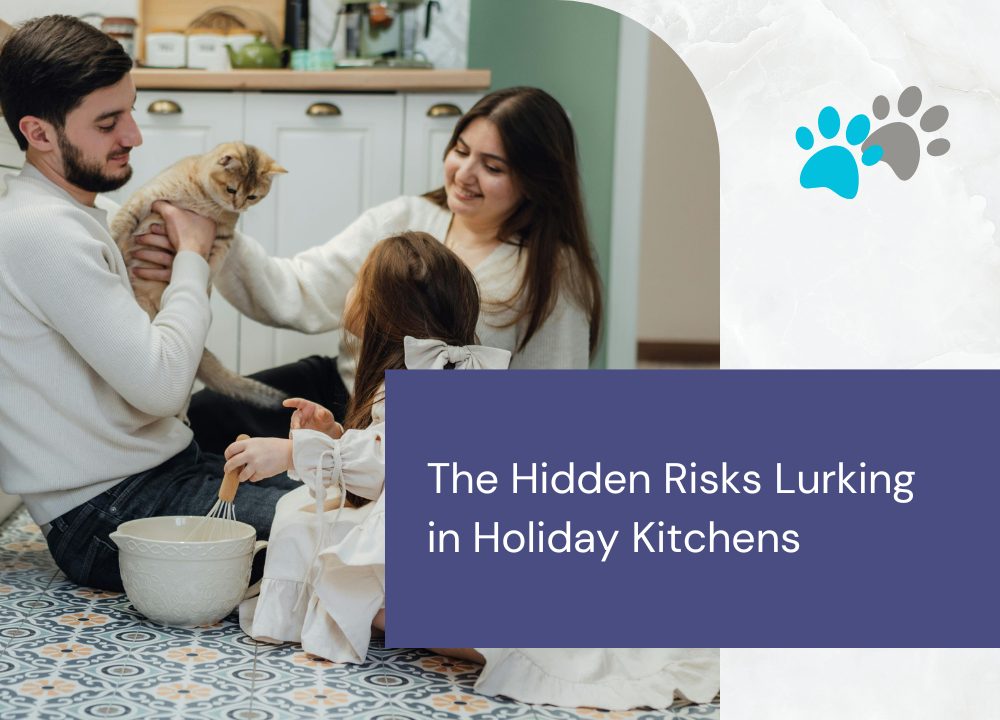
 

The Hidden Risks Lurking in Holiday Kitchens

Holiday gatherings change routines. Pets are exposed to unfamiliar smells, dropped food, and guests who love to share.

Even responsible owners can be caught off guard. A single distraction is often enough for a pet to grab something unsafe. Understanding where risks come from is the first step toward preventing an emergency during an otherwise meaningful season.

Common risk moments include:

  • Food left on low tables
  • Plates within reach during meals
  • Trash bins filled with leftovers
  • Guests unaware of pet restrictions


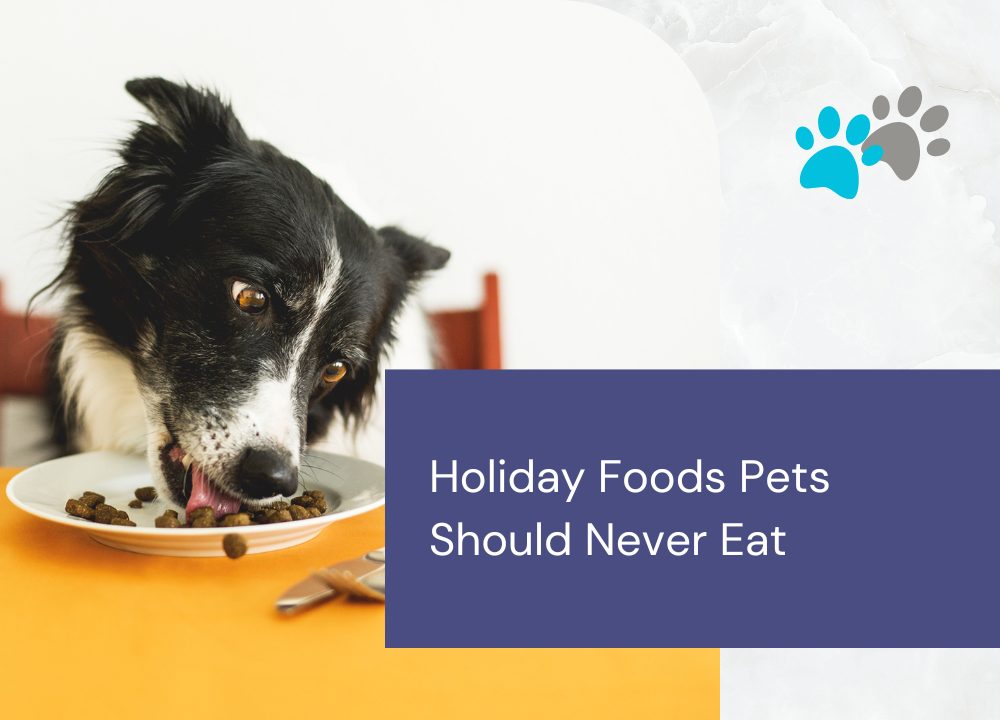
Holiday Foods Pets Should Never Eat

Some holiday staples are far more dangerous than they appear. Many are toxic even in small amounts.

Foods that commonly cause problems include:

  • Chocolate and cocoa based desserts
  • Grapes and raisins in baked goods
  • Onions and garlic used in savory dishes
  • Alcohol and foods cooked with it
  • Fatty meats, bones, and rich gravies
  • Xylitol found in sugar free treats 

Dogs and cats process these foods differently than humans, making exposure especially dangerous.

 

Why Even Small Bites Can Lead to Serious Health Issues

Pets have smaller bodies and different digestive systems. What seems harmless to us can overwhelm their organs.

Some toxins affect the liver or kidneys over time, meaning symptoms may not appear immediately. Others cause rapid reactions like vomiting, tremors, or difficulty breathing. This delay often leads owners to underestimate the severity until the situation becomes urgent.

Watch closely for:

  • Lethargy or weakness
  • Vomiting or diarrhea
  • Loss of appetite
  • Changes in coordination
  • Excessive thirst or urination


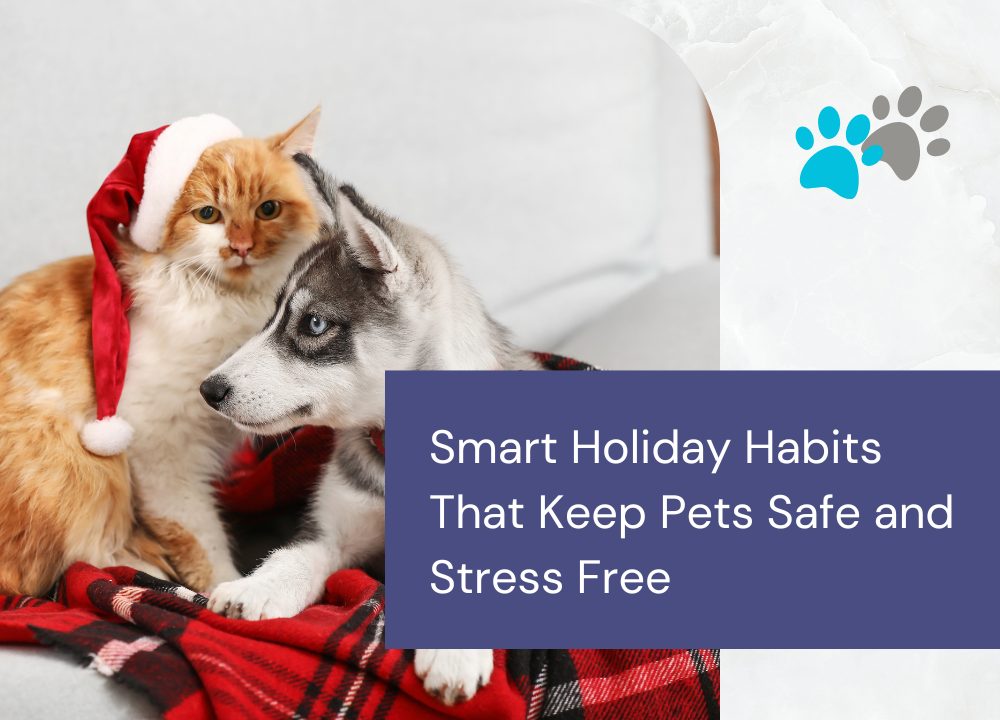
Smart Holiday Habits That Keep Pets Safe and Stress Free

Prevention is more effective than reacting after exposure. A few intentional habits can significantly reduce risk.

Helpful strategies include:

  • Feeding pets before gatherings to reduce begging
  • Setting clear boundaries with guests
  • Keeping food out of reach at all times
  • Securing trash bins with lids
  • Offering pet safe treats during meals

These steps create a calmer environment for pets and peace of mind for owners.
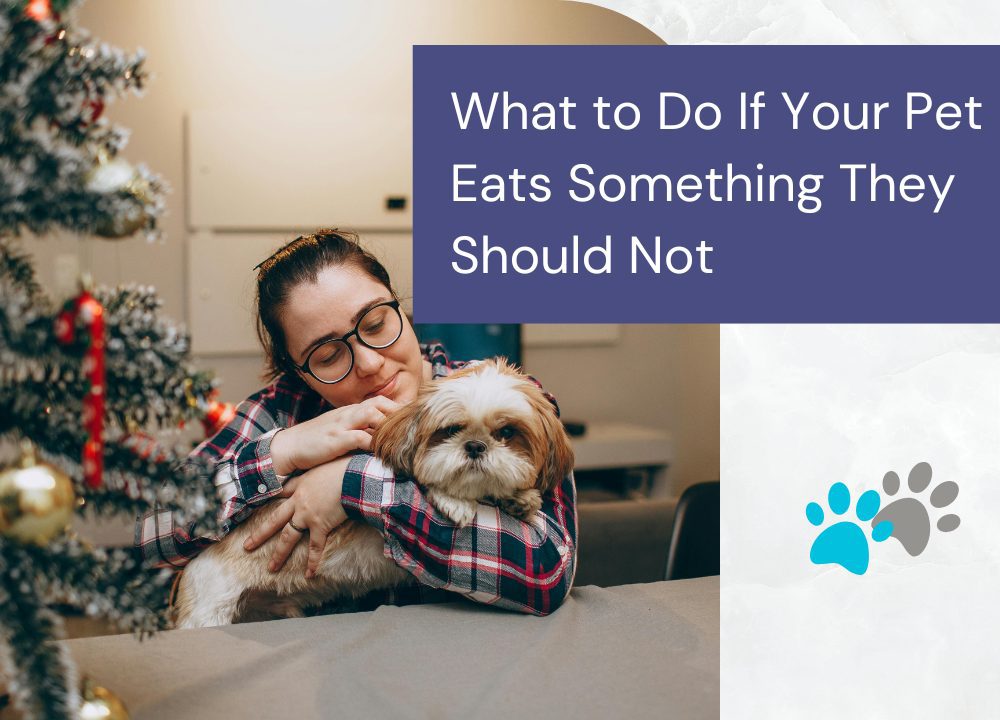
 

What to Do If Your Pet Eats Something They Should Not

Quick, calm action matters. If you suspect exposure to holiday foods pets should never eat, contact your veterinarian or an emergency clinic immediately.

Do not induce vomiting unless directed by a professional. Time, food type, and quantity all influence the right response. Having your vet’s number accessible during the holidays helps you act without hesitation.

Prepared owners make better decisions under pressure, protecting both their pets and their plans.
 

Thoughtful Guidance for Finding Homes That Fit Your Life and Your Pets

Thoughtful preparation during the holidays reflects the same care used when making important life decisions. Just as informed choices protect your pet’s well being, trusted guidance helps families navigate complex moments with confidence and clarity throughout every season.
Keep Your Dog Happy and Safe: Winter Puppy Socialization Tips

Thursday, December 11th, 2025

Winter Puppy Socialization Tips

Cold weather can make it hard for new pet owners to give their pups the social experiences they need, and many worry about missing this important stage of development. With the right winter puppy socialization tips, you can help your dog grow into a confident companion. There is more you can do during the colder months, so keep reading to learn how.

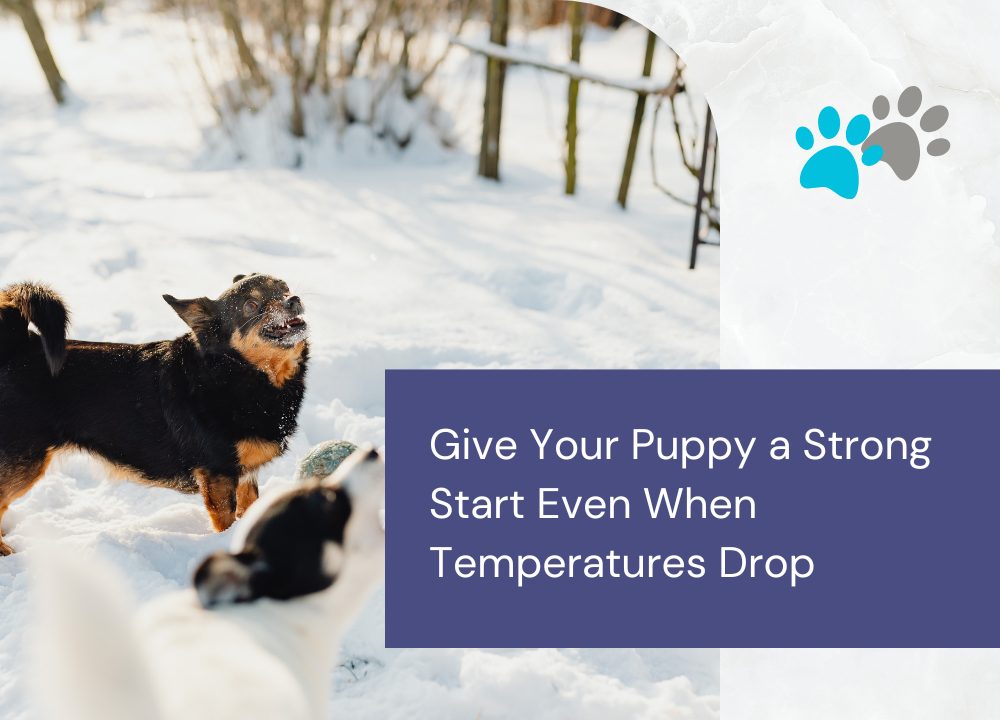
Give Your Puppy a Strong Start Even When Temperatures Drop

Early socialization shapes how your puppy responds to people, other animals, and new environments. During Edmonton’s colder months, many owners unintentionally scale back outings, which can limit important experiences.

Even in winter, your puppy can learn to navigate the world with confidence. A thoughtful approach helps your dog stay safe and comfortable while building essential skills that last a lifetime.

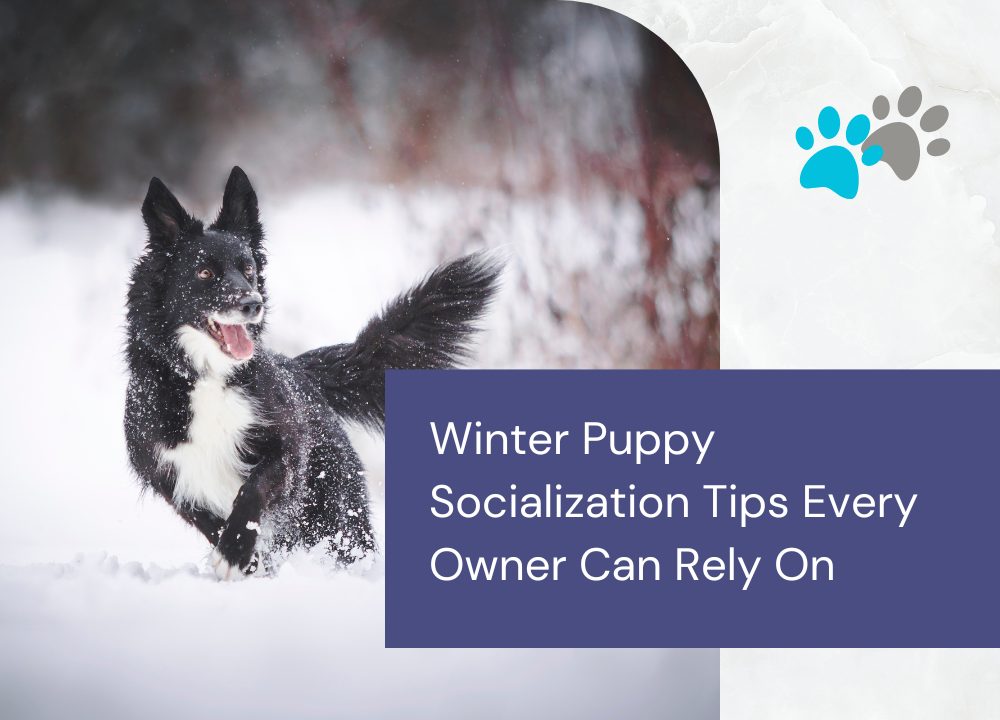
Winter Puppy Socialization Tips Every Owner Can Rely On

Your puppy still needs regular exposure to new sights, sounds, and controlled interactions. These winter puppy socialization tips help you offer safe and positive experiences even when conditions are unpredictable.

Try simple, consistent activities such as:

  • Short, supervised walks on cleared pathways
  • Introducing new winter textures like snow, ice, or boots
  • Calm interactions at pet-friendly indoor spaces
  • Rewarding your puppy when they explore new environments

These steps encourage healthy confidence while keeping safety top of mind.

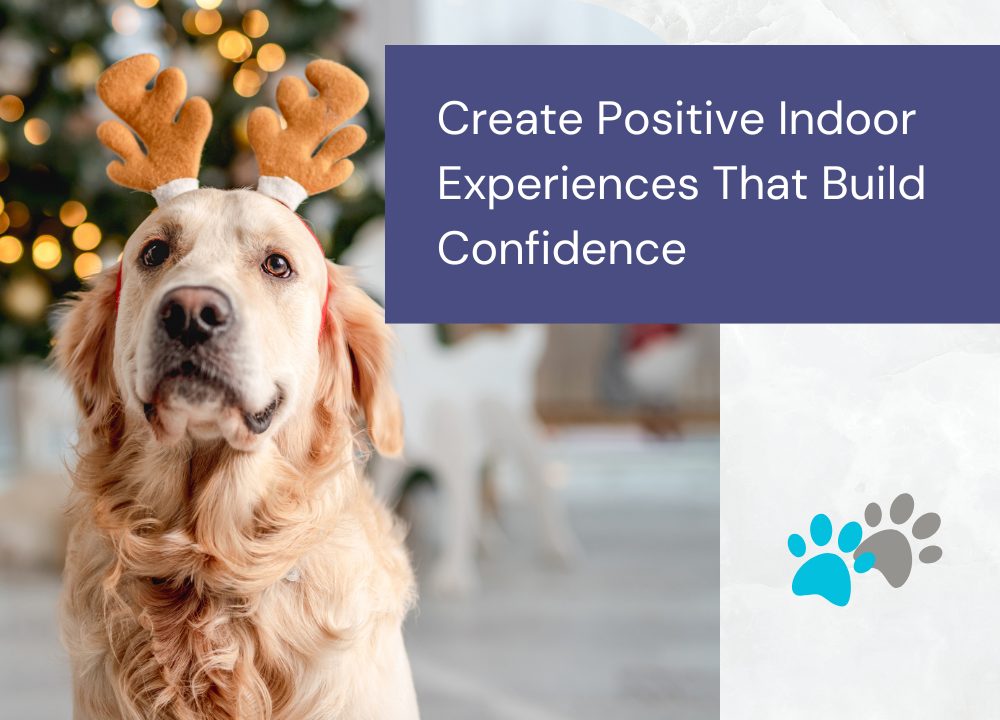
Create Positive Indoor Experiences That Build Confidence

Indoor environments offer meaningful opportunities for growth, especially on days when temperatures dip too low for comfortable outdoor time. Your home can support social learning in practical ways.

You can introduce your puppy to:

  • Visitors or family members using gentle, structured greetings
  • Training games that encourage focus and patience
  • Puzzle toys that challenge problem-solving skills
  • New household sounds such as TVs, appliances, or music

These experiences offer variety and enrichment without exposing your puppy to the cold.

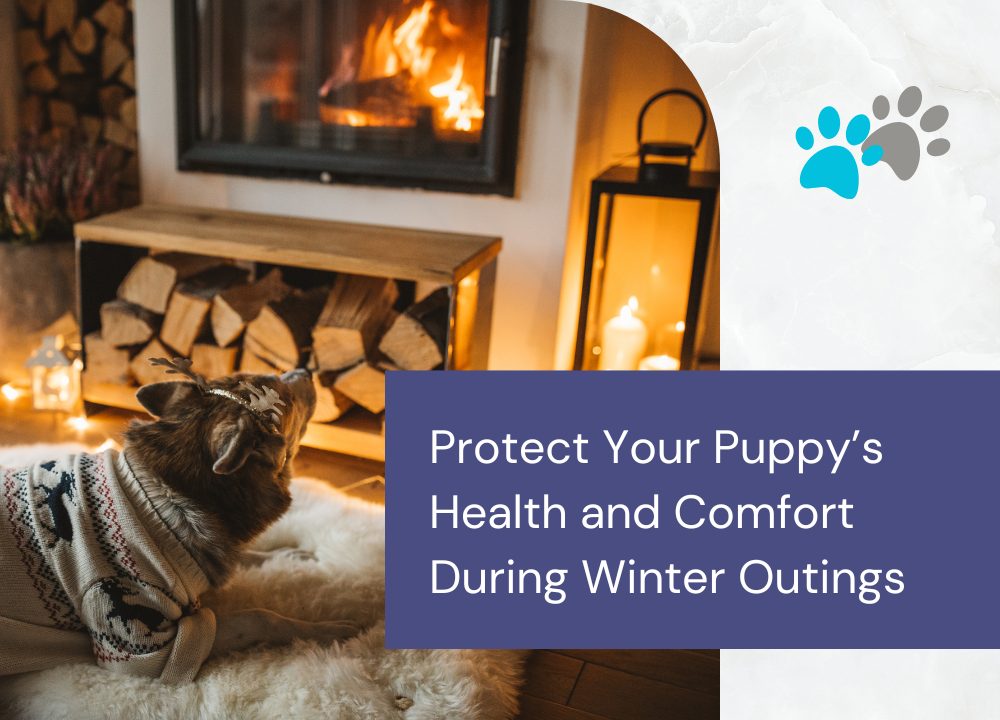
Protect Your Puppy’s Health and Comfort During Winter Outings

Confidence grows when outings feel comfortable and safe. Preparing for cold weather supports positive associations with the world outside your door.

Before stepping out, consider:

  • Paw balm or winter booties to prevent irritation
  • A well-fitted coat for wind and snow
  • Avoiding salted or icy areas when possible
  • Shorter sessions to prevent overexposure

A comfortable puppy is more open to exploring. These steps reduce stress and make each outing more productive for social development.

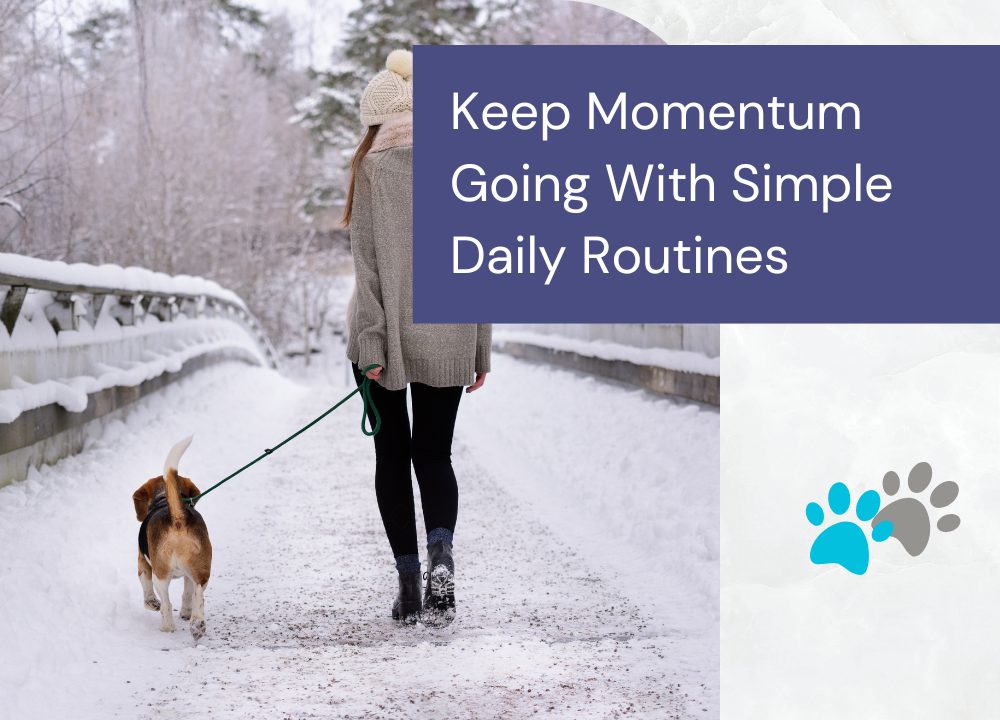
Keep Momentum Going With Simple Daily Routines

Consistency helps your puppy thrive. Even brief sessions create strong habits and reinforce positive behaviors throughout the winter months. Small moments matter and build toward long-term success.

You can maintain progress by:

  • Practicing one new skill per day
  • Creating calm, predictable feeding and rest routines
  • Recording positive experiences to track growth

Staying steady with your approach ensures your puppy becomes a well-adjusted companion ready for any season.

Supporting Your Puppy’s Well-Being All Year

Winter can influence routines, but your puppy’s social development does not need to pause. With these strategies and your commitment, your dog gains confidence that lasts through every stage of life. When you are settled into a home that supports your lifestyle and your pets, the experience becomes even more meaningful.

If you ever need guidance on finding a home with the right space for your dog’s growth, the Dave Ozubko Real Estate Team is here to help you make thoughtful choices that align with your goals.